
Blocks and Minerals
Nutrition That Stays Available Around the Clock
Blocks and Minerals in Tyler for livestock operations needing consistent nutrient delivery
Salt blocks, mineral blocks, sulphur blocks, and supplement blocks address specific nutritional gaps that forage alone doesn't provide, particularly in trace minerals like copper, zinc, selenium, and iodine that affect immune function, reproduction, and growth rates. Elder Feed and Supply, LLC stocks these products for Tyler-area livestock operations where seasonal forage quality shifts and animals need reliable access to nutrients that support herd health year-round. Blocks stay stable in weather conditions that would spoil loose minerals, and they allow cattle, goats, and horses to self-regulate intake based on individual need rather than relying on daily feeding schedules.
Dewormer blocks and fly control blocks integrate parasite management into the feeding program, delivering medication as animals consume the block over time rather than requiring handling and individual dosing. Sulphur blocks specifically support skin health and coat condition while providing a mild fly deterrent through sulphur compounds excreted in the animal's system, which matters during East Texas summers when fly pressure peaks and dermatological issues increase.
Check current block inventory to match your herd's specific mineral needs and parasite pressure.
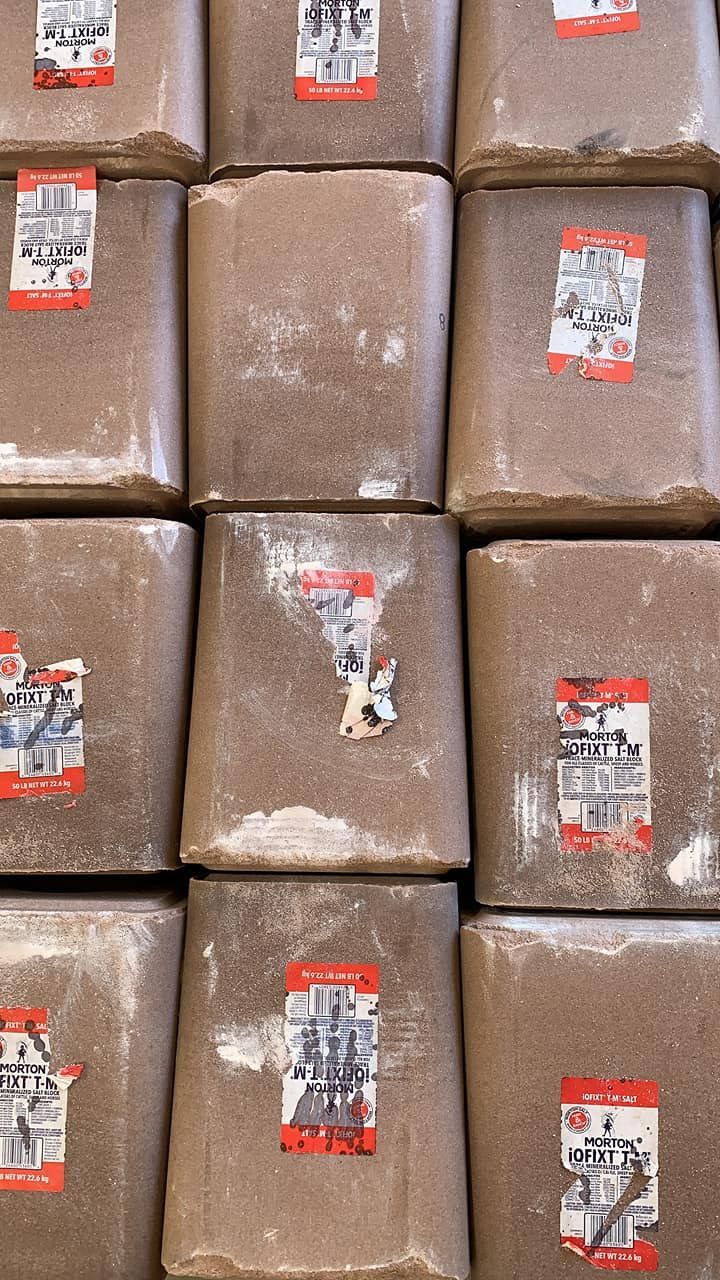
How Mineral Supplementation Addresses Forage Deficiencies
Forage in East Texas typically lacks adequate levels of phosphorus, copper, and selenium, especially during the winter months when grass is dormant and protein content drops. Mineral blocks placed in pasture allow livestock to consume trace minerals and salt as needed, with consumption rates increasing when animals detect deficiencies or during periods of higher physiological demand like lactation, growth, or gestation.
After you place blocks in the pasture, you'll see cattle and goats visiting the block location consistently, with higher consumption during late winter and early spring when forage quality is lowest and metabolic demands are highest in pregnant and lactating females. Proper mineral supplementation shows up in improved coat condition, better conception rates, and fewer health issues related to trace mineral deficiencies like poor hoof quality or reduced immune response.
Block placement matters—position them near water sources or shade where animals naturally congregate, and use block holders that keep them off the ground to reduce waste and contamination. Weather-resistant blocks last longer than loose minerals in Tyler's humidity, and they require less frequent replacement compared to daily feeding programs that demand consistent labor and storage management.
Common Questions About This Service
Choosing the right blocks and understanding how animals use them helps you maintain herd health without creating dependency or overfeeding specific nutrients.
What is the difference between salt blocks and mineral blocks?
Salt blocks provide primarily sodium chloride, which supports hydration and basic metabolic function, while mineral blocks include additional trace minerals like copper, zinc, selenium, and phosphorus that address specific nutritional deficiencies common in regional forage.
How do dewormer blocks work compared to traditional deworming?
Dewormer blocks deliver medication gradually as animals consume the block, providing continuous low-level parasite control rather than the single high dose used in injectable or pour-on dewormers, which works best for maintenance between traditional deworming cycles.
When should I use sulphur blocks instead of standard mineral blocks?
Sulphur blocks are most useful during spring and summer in Tyler when fly pressure and skin conditions increase, as sulphur supports coat health and provides mild fly deterrence, while standard mineral blocks focus on trace mineral supplementation year-round.
How much block consumption is normal for cattle and goats?
Cattle typically consume 2-4 ounces of mineral block per day depending on forage quality and physiological status, while goats consume less due to their smaller size, with consumption increasing during late pregnancy, lactation, and periods when pasture quality declines.
What happens if livestock overconsume mineral blocks?
Most mineral blocks are formulated with salt levels that naturally limit overconsumption, as animals regulate intake based on palatability and individual need, though blocks with added molasses or flavoring may increase consumption beyond nutritional requirements and require monitoring.
Elder Feed and Supply, LLC keeps a full selection of blocks and minerals in stock so you can address herd health needs as they arise throughout the year. Stop by the Tyler store to evaluate options and stock up on the specific blocks your operation requires.