
Poultry Feed and Supplies
Complete Nutrition From Chick to Laying Hen
Poultry Feed and Supplies in Overton for backyard flocks, meat birds, and farms raising layers or specialty breeds
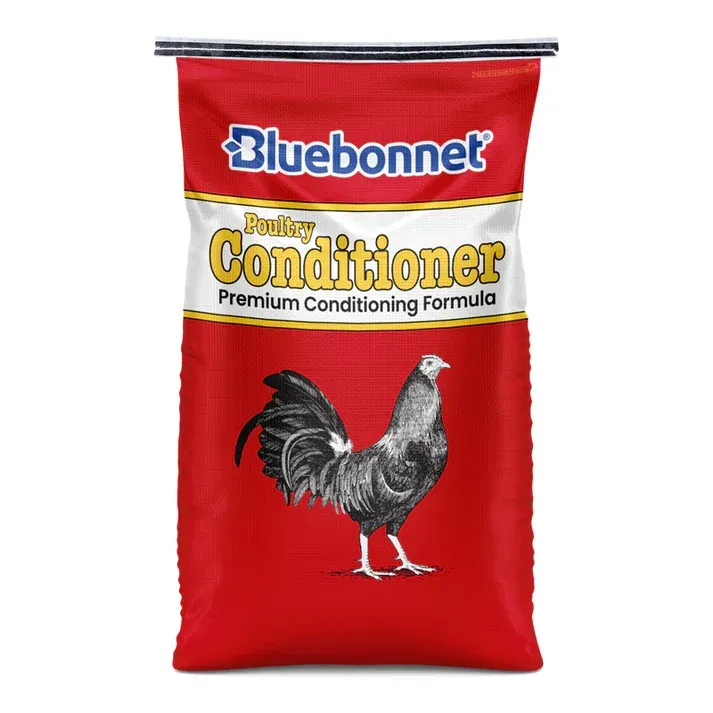
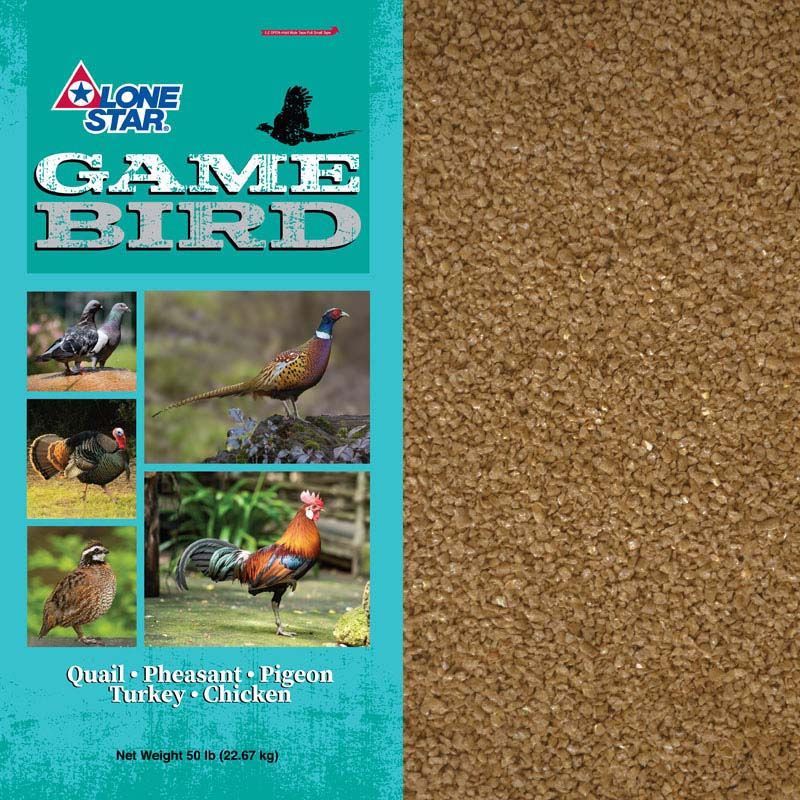
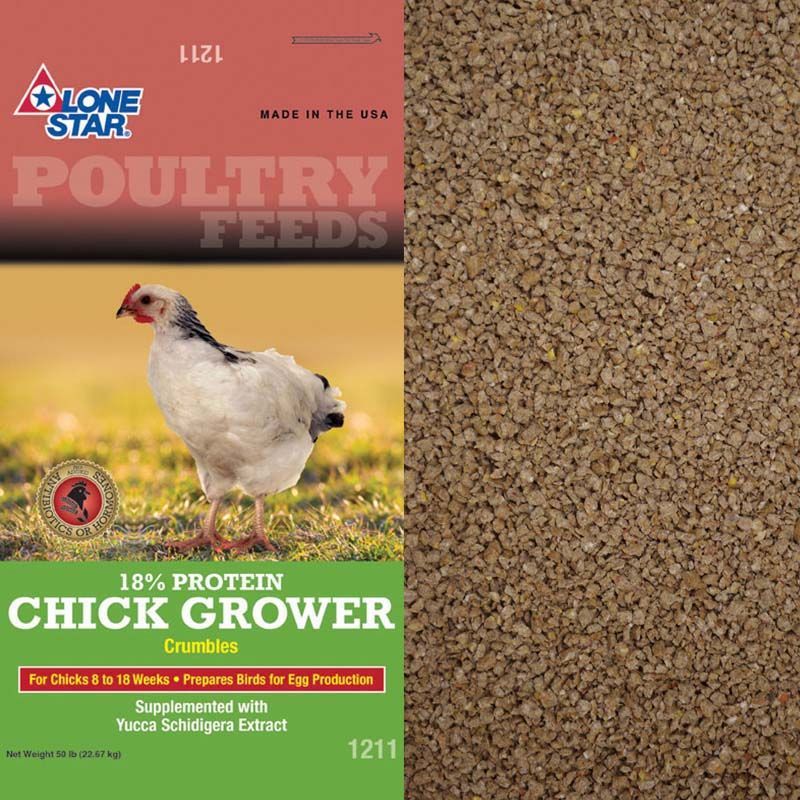
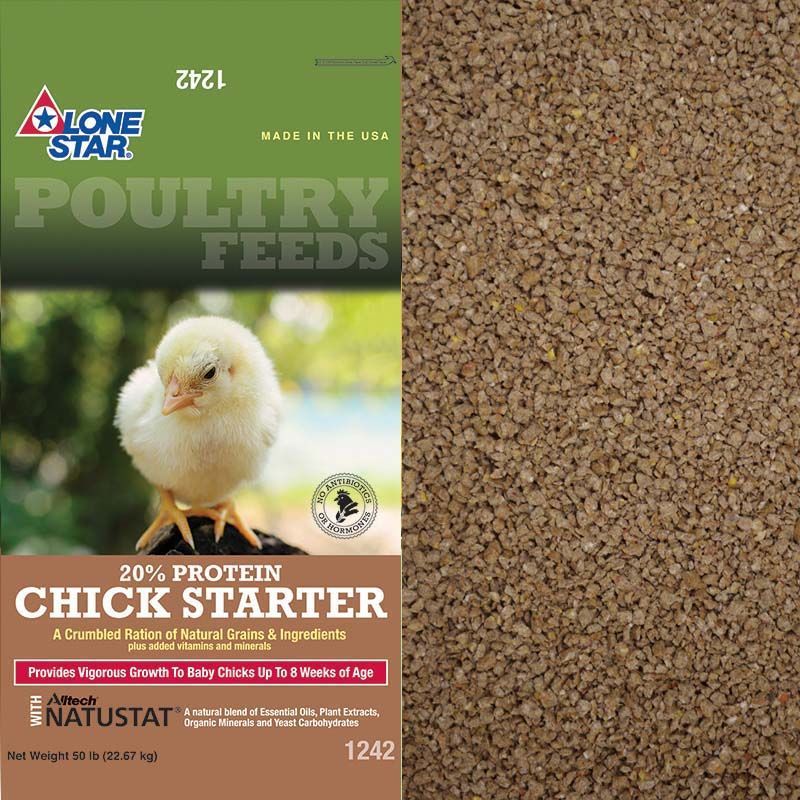
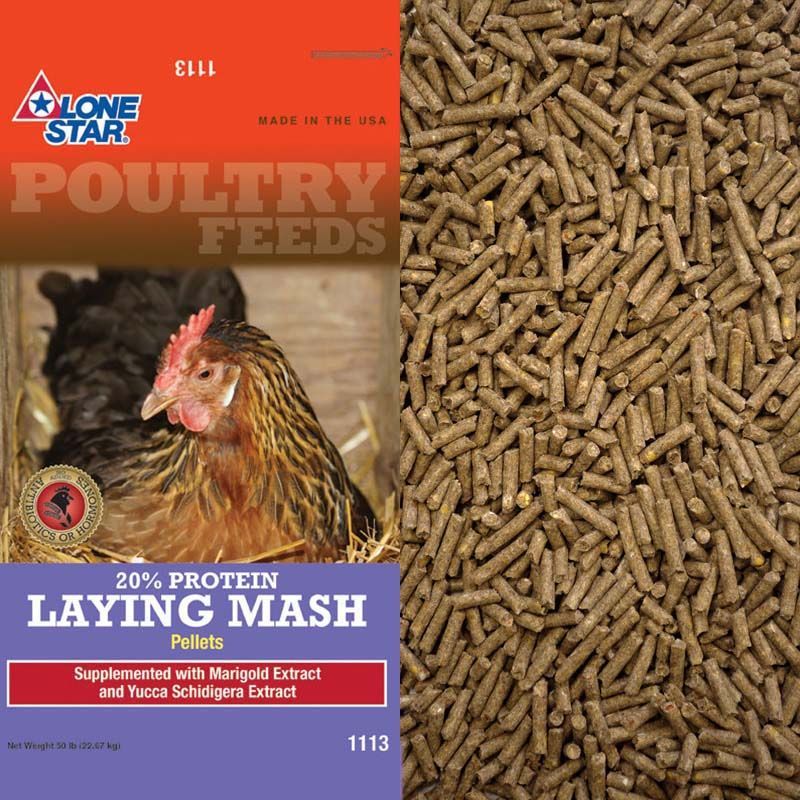
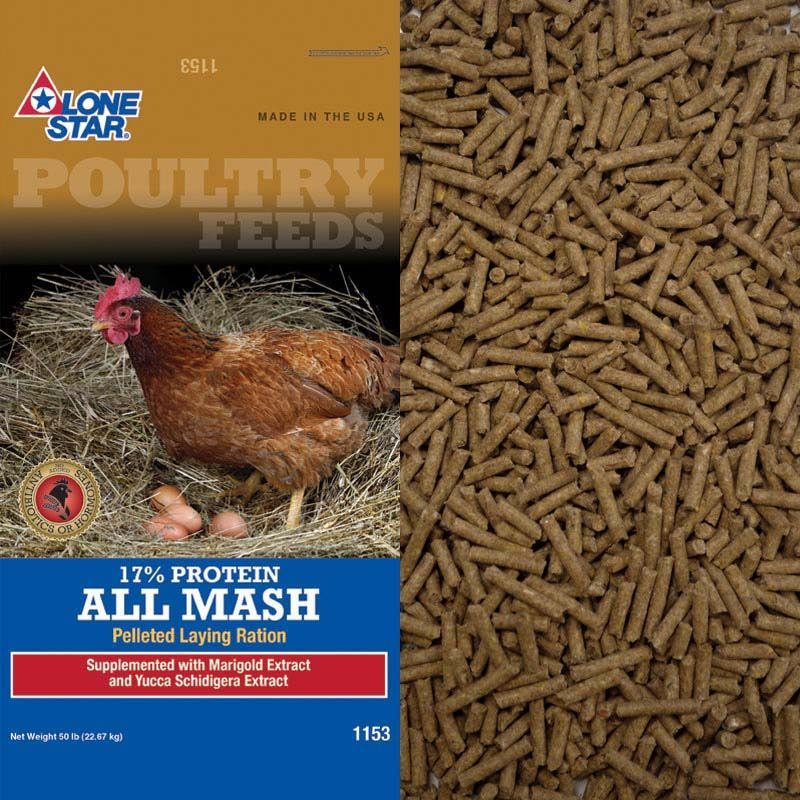
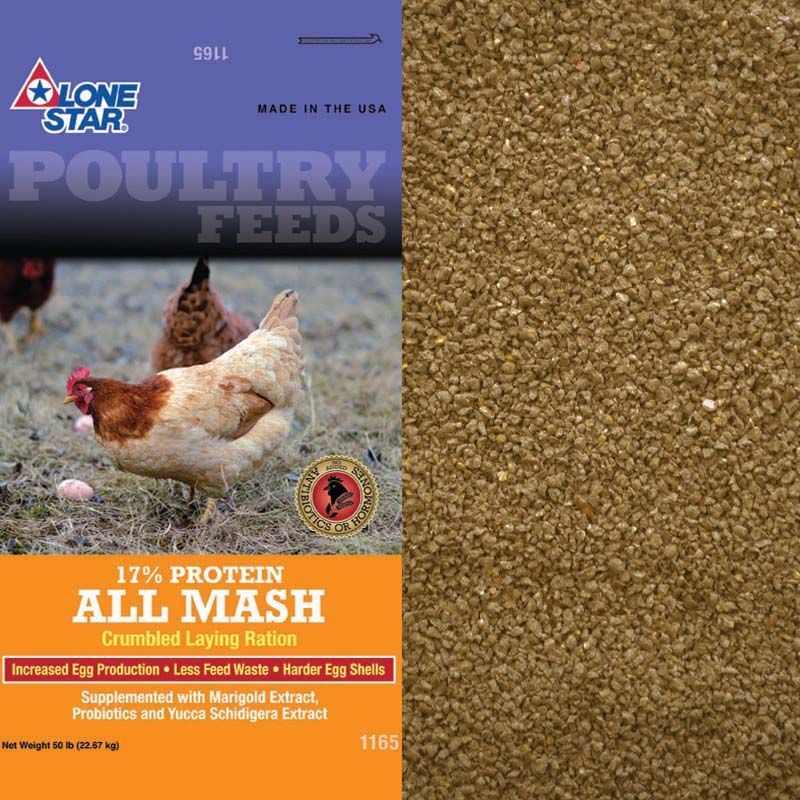
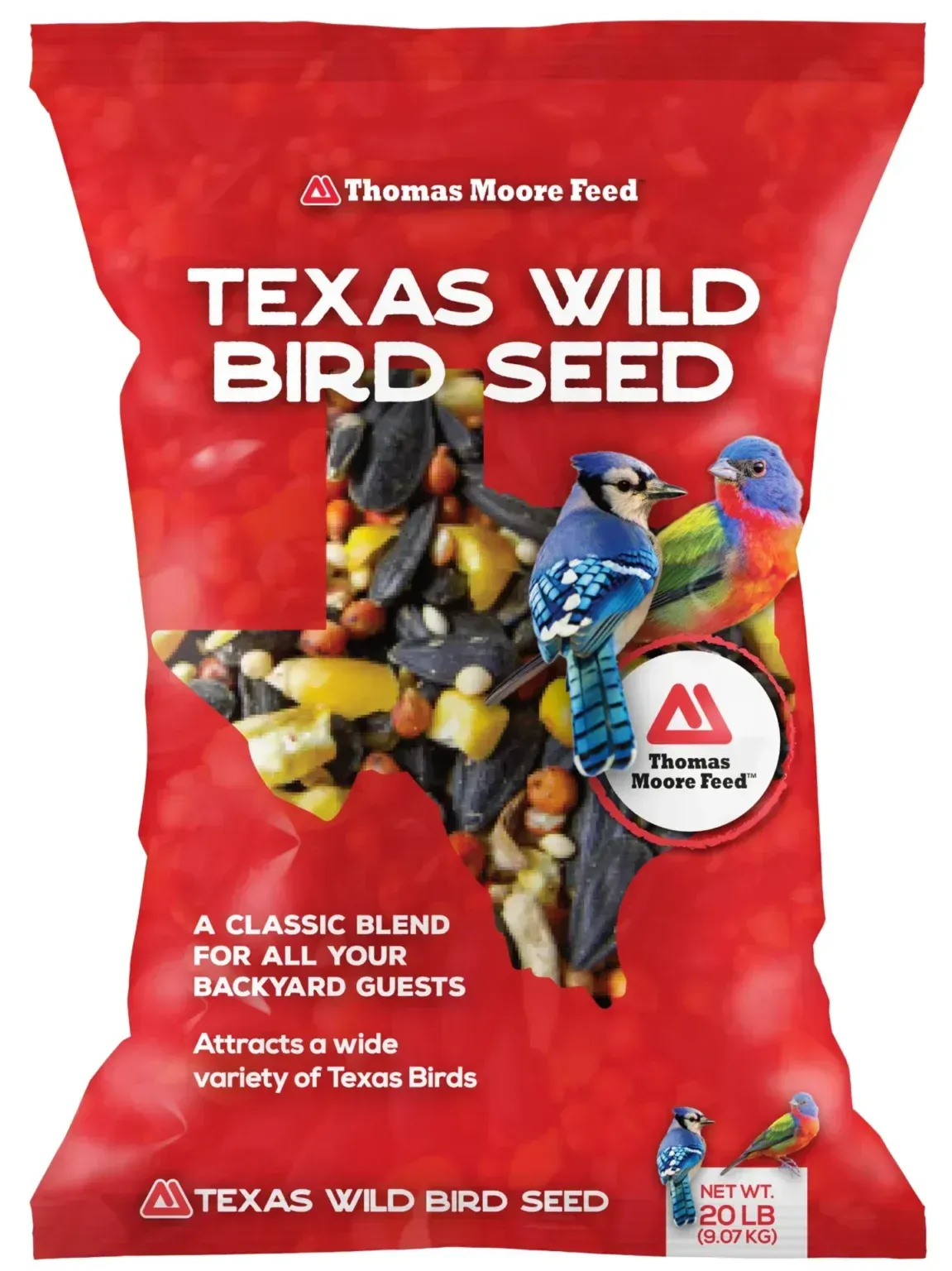
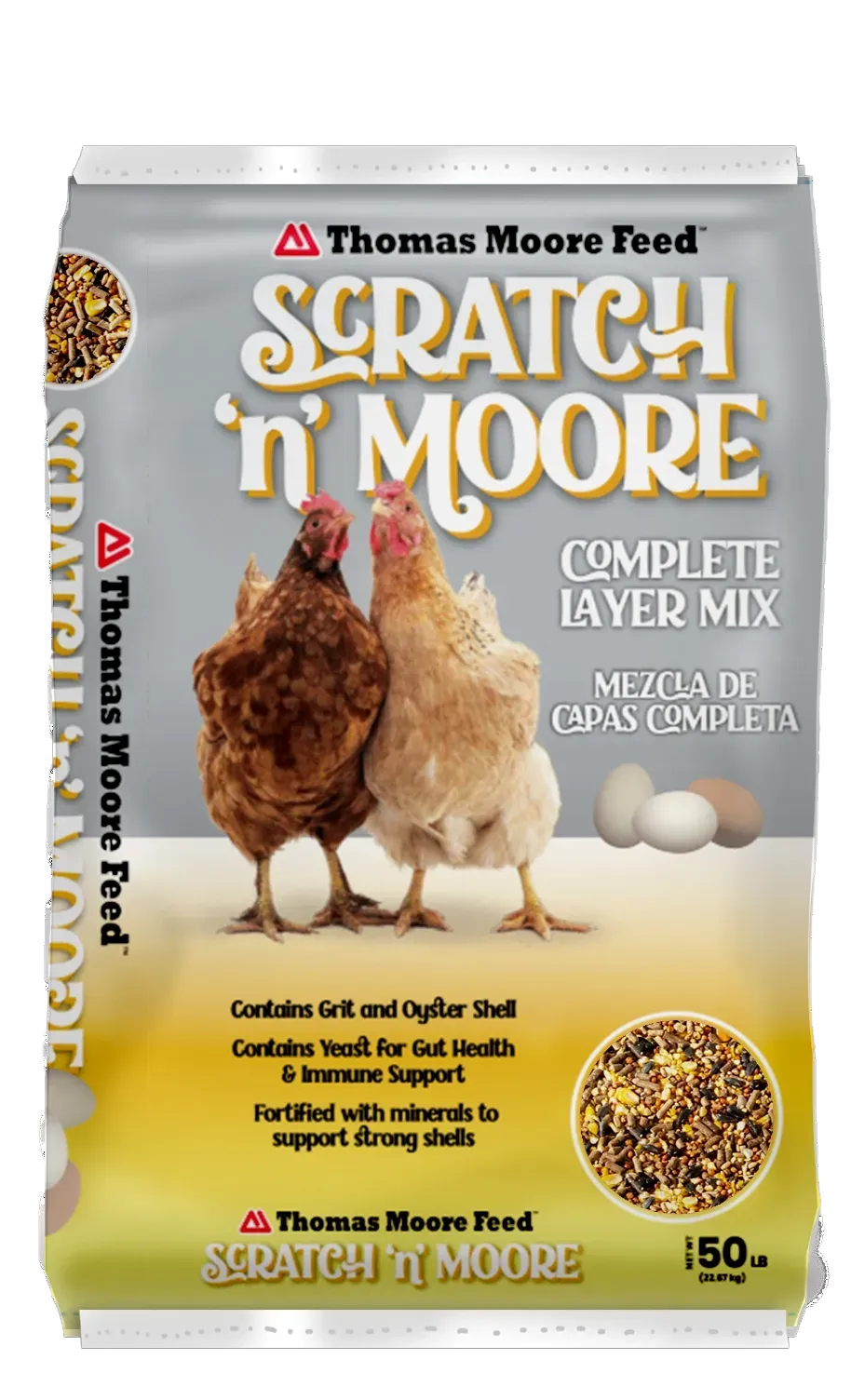
Bluebonnet, Lone Star, and Thomas Moore poultry feeds stocked at Elder Feed and Supply, LLC include layer pellets, crumbles, starter feeds, scratch grains, sunflower seeds, and specialty blends formulated for chickens, turkeys, and game birds at all growth stages. Feeding the wrong formula at the wrong stage either slows growth in meat birds, reduces egg production in layers, or wastes money on higher protein content than mature birds require. The inventory covers chick starter with the elevated protein needed for rapid early growth, grower formulas for developing pullets, and layer rations with added calcium to support consistent egg production without shell quality issues.
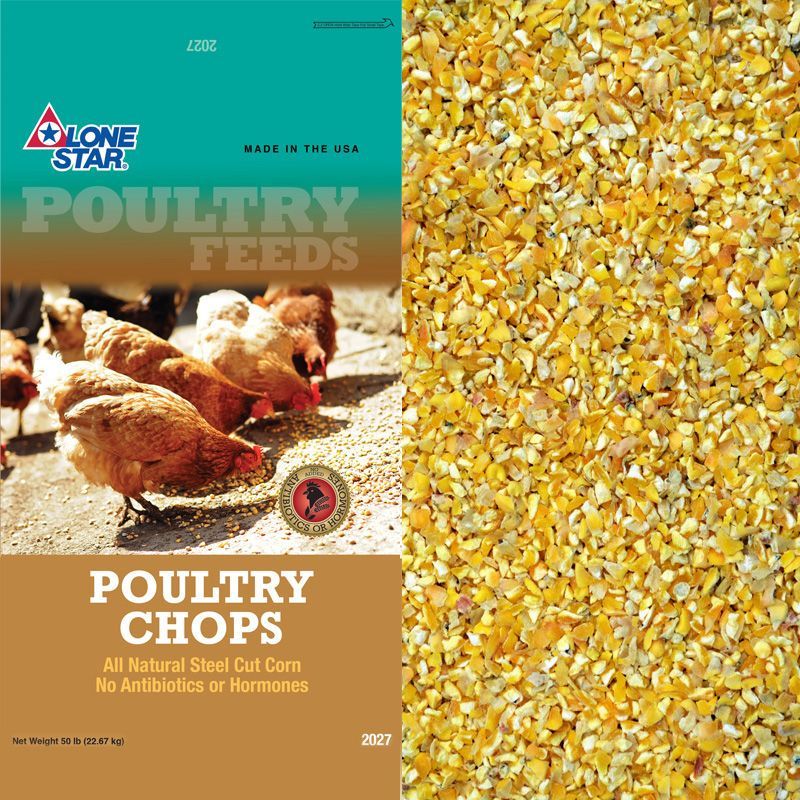
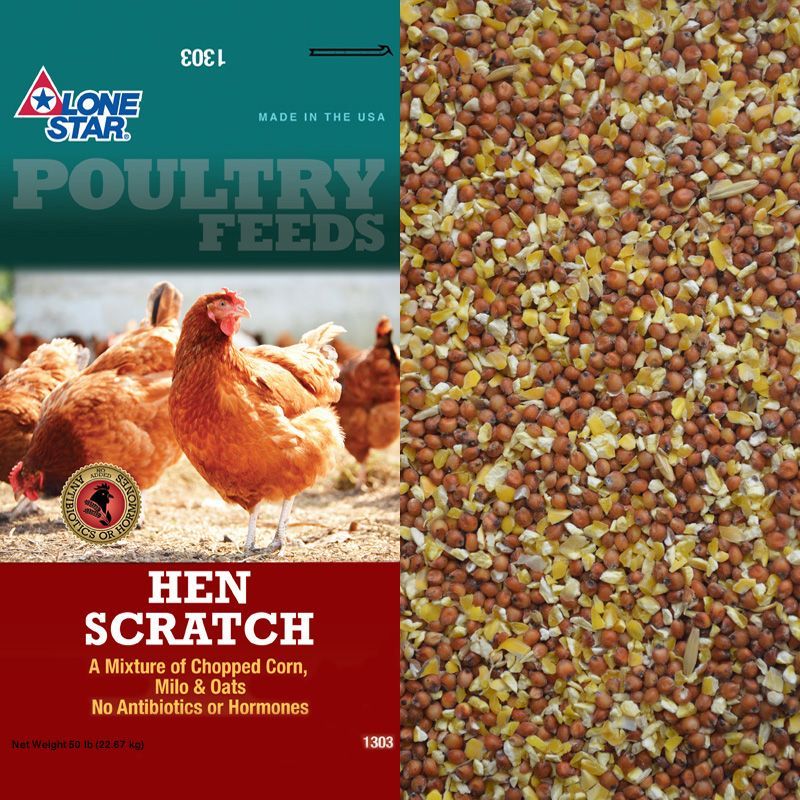
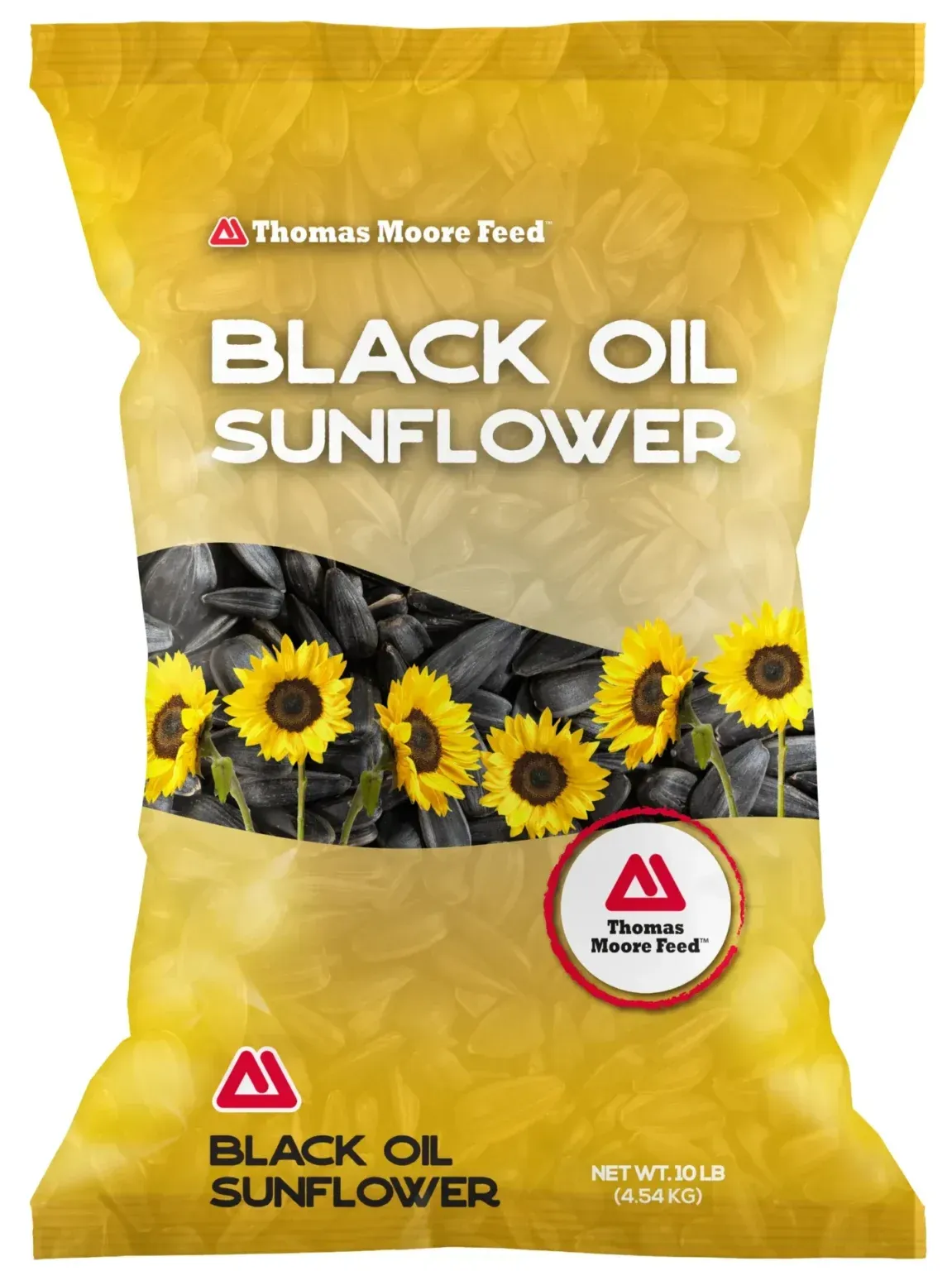
Different poultry species and production goals require different nutritional approaches, and the available selection addresses broiler finishing, layer maintenance, and turkey grow-out programs. Scratch grains and sunflower seeds serve as supplemental feeding or enrichment, not complete nutrition, which matters when managing flock health and avoiding deficiencies that lead to feather picking, reduced laying, or poor weight gain.
Stop by to review in-store availability of the specific feed type your flock currently requires.
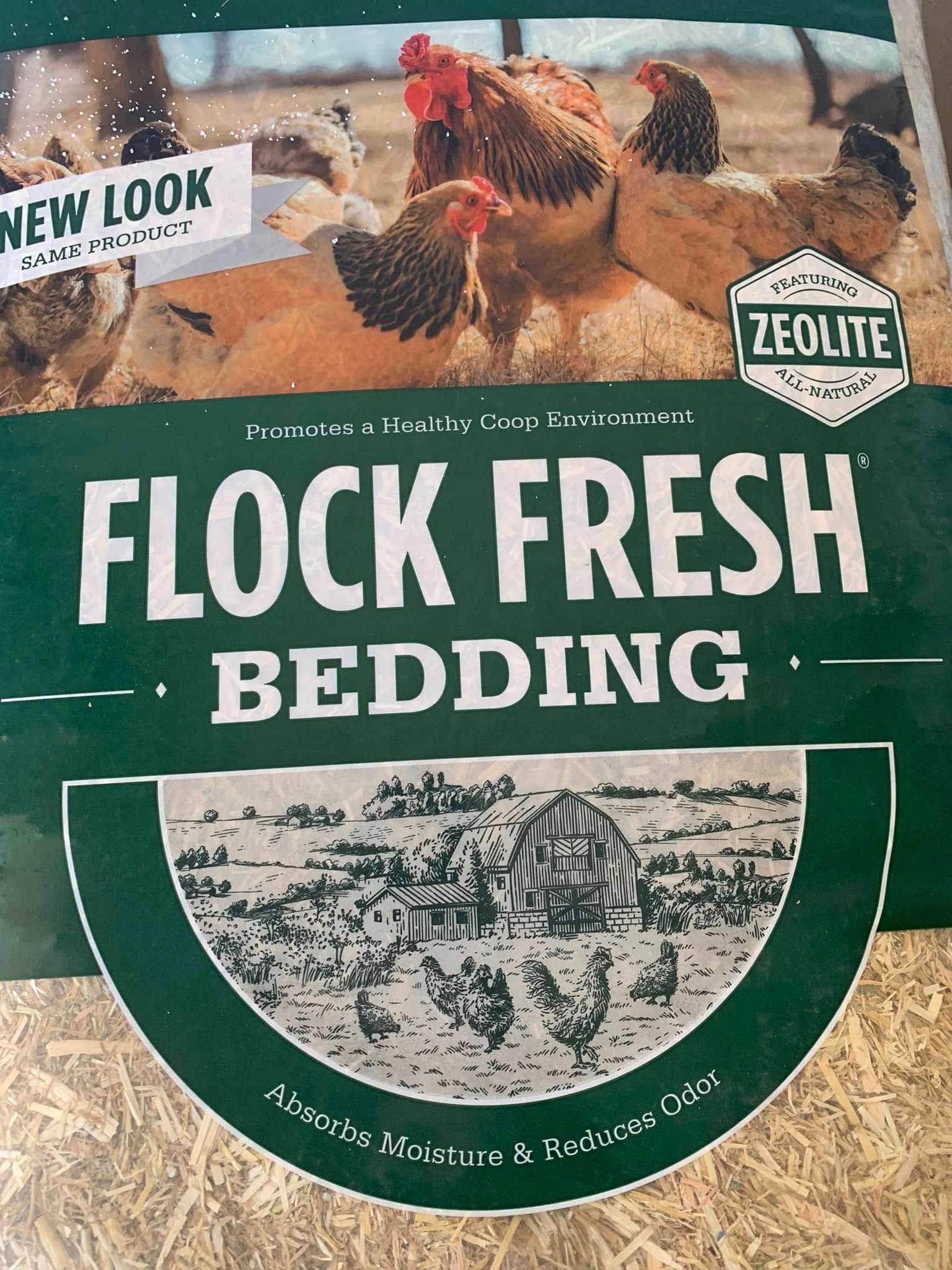
The Difference Between Starter, Grower, and Layer Formulas
Poultry feeding programs shift as birds mature, starting with 18% to 20% protein starter feed for chicks during the first six to eight weeks when rapid growth demands higher nutrient density. Grower formulas reduce protein to 16% to 18% for developing pullets not yet laying, preventing excessive early weight gain that can cause reproductive issues while still supporting healthy frame development. Layer feeds include 3% to 4% calcium to support daily egg production, which prevents soft shells or internal laying problems that occur when hens pull calcium from bone to form eggs without adequate dietary supply.
After switching to the appropriate formula for your flock's age and purpose, you'll notice improved feather quality, better growth rates in young birds, and more consistent egg production in layers without shell defects. Pullets transitioned to layer feed at the correct time begin laying on schedule with strong shells, and meat birds on proper finishing rations reach target weight without excessive fat or slow gain.
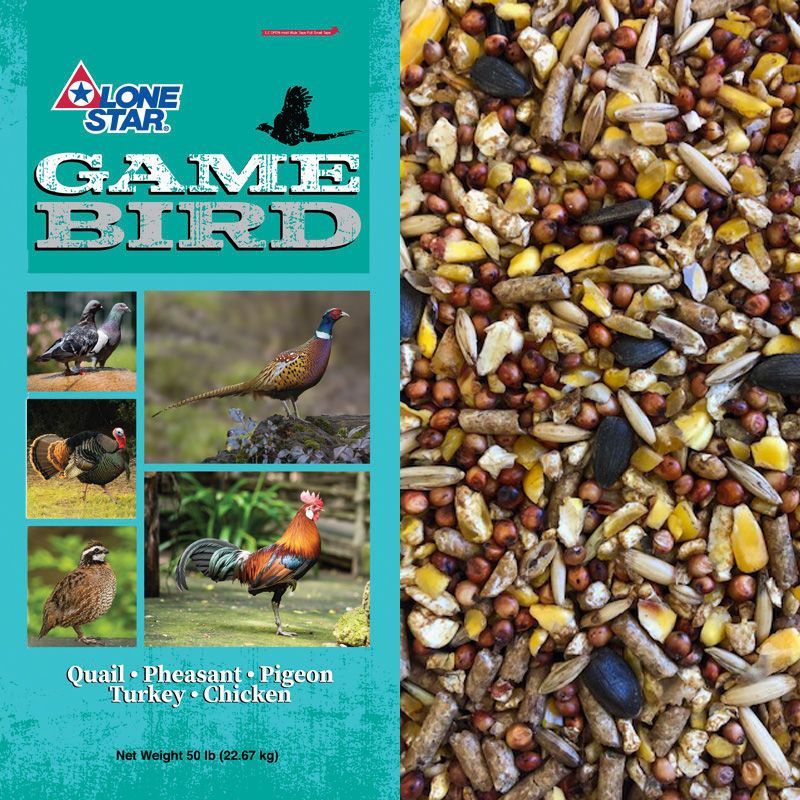
Specialty blends accommodate game birds like quail or guineas, which have different protein requirements than standard chickens. Inventory reliability means you're not switching formulas mid-bag or dealing with inconsistent availability during critical growth windows when feed changes can stress flocks and reduce performance.
Our Products
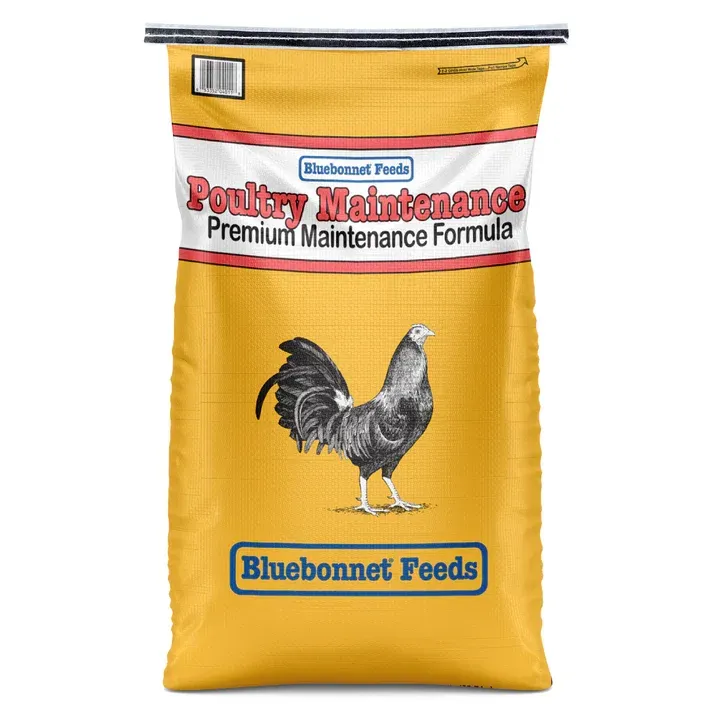
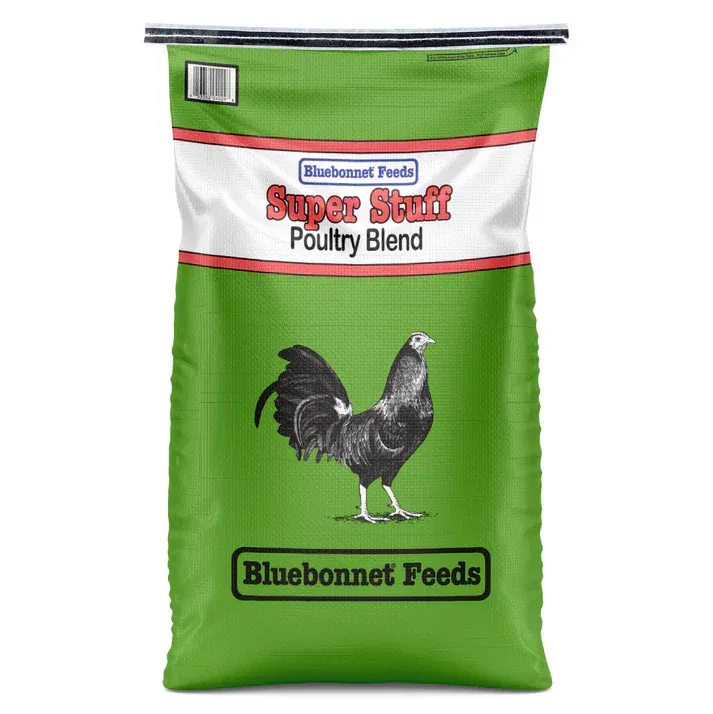
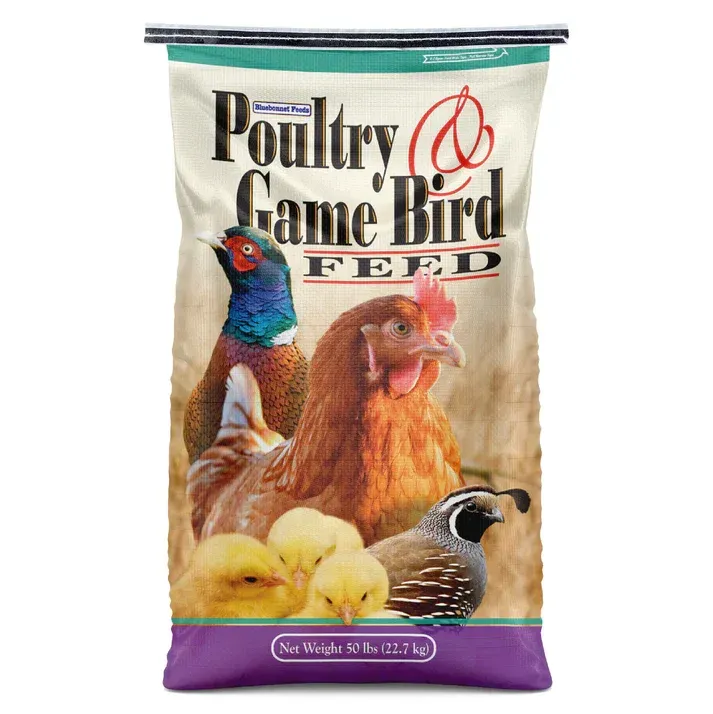
What Property Owners Usually Ask
Poultry keeping involves understanding when to change feed types, how much to provide, and what supplemental feeding does or doesn't accomplish, especially for backyard flock owners new to raising birds.
What protein level should chicks receive during the first two months?
Chick starter should contain 18% to 20% protein to support the rapid growth phase, with medicated options available to prevent coccidiosis in young birds still developing immunity.
When do I switch pullets from grower to layer feed?
Most pullets transition to layer feed around 18 to 20 weeks of age or when the first eggs appear, whichever comes first, to ensure adequate calcium is available when production begins.
How much feed does a laying hen consume daily?
An average laying hen eats about one-quarter pound of feed per day, though exact consumption varies with breed size, environmental temperature, and whether birds have access to forage or free-range areas.
Can I feed scratch grains as a complete diet for chickens?
Scratch grains lack the protein, vitamins, and minerals chickens need for health and egg production, so they should only be offered as a small supplement or treat, not as a primary feed source.
What feeding approach works best for mixed-age flocks common in Overton backyard setups?
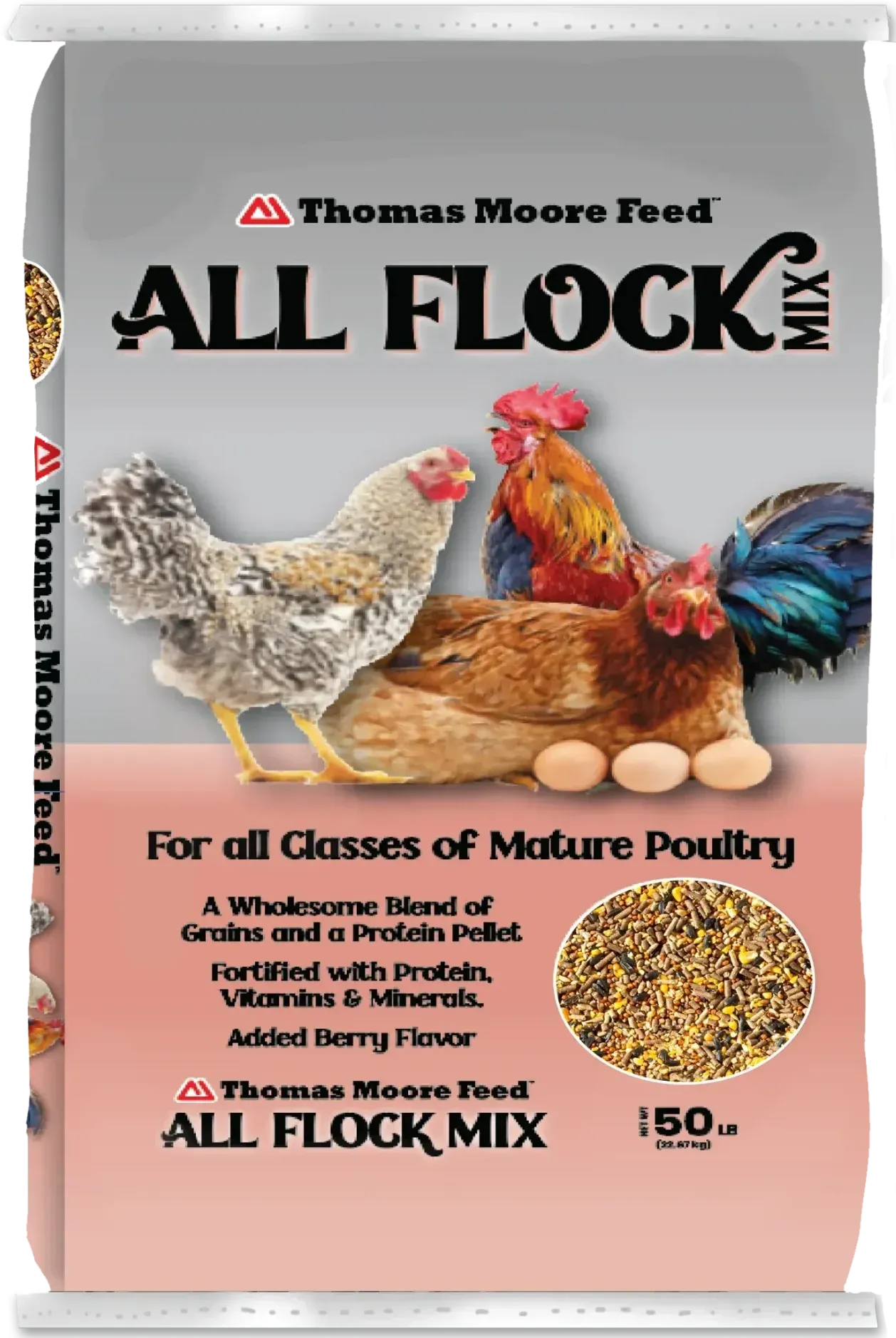
Many area flock owners with both young pullets and mature layers feed an all-flock formula or provide layer feed with supplemental chick starter in a separate feeder accessible only to younger birds, avoiding the calcium overload that can harm developing kidneys in chicks not yet laying.
Elder Feed and Supply, LLC keeps reliable inventory of poultry feeds and supplies for both small backyard operations and larger farm flocks across the East Texas area. Come by the Overton store to confirm current product availability and ask about feeding strategies that match your flock's age and production goals.