
Hay and Forage
Forage That Supports Livestock Nutrition Reliably
Hay and Forage in Tyler for livestock operations requiring consistent feed quality through changing seasons
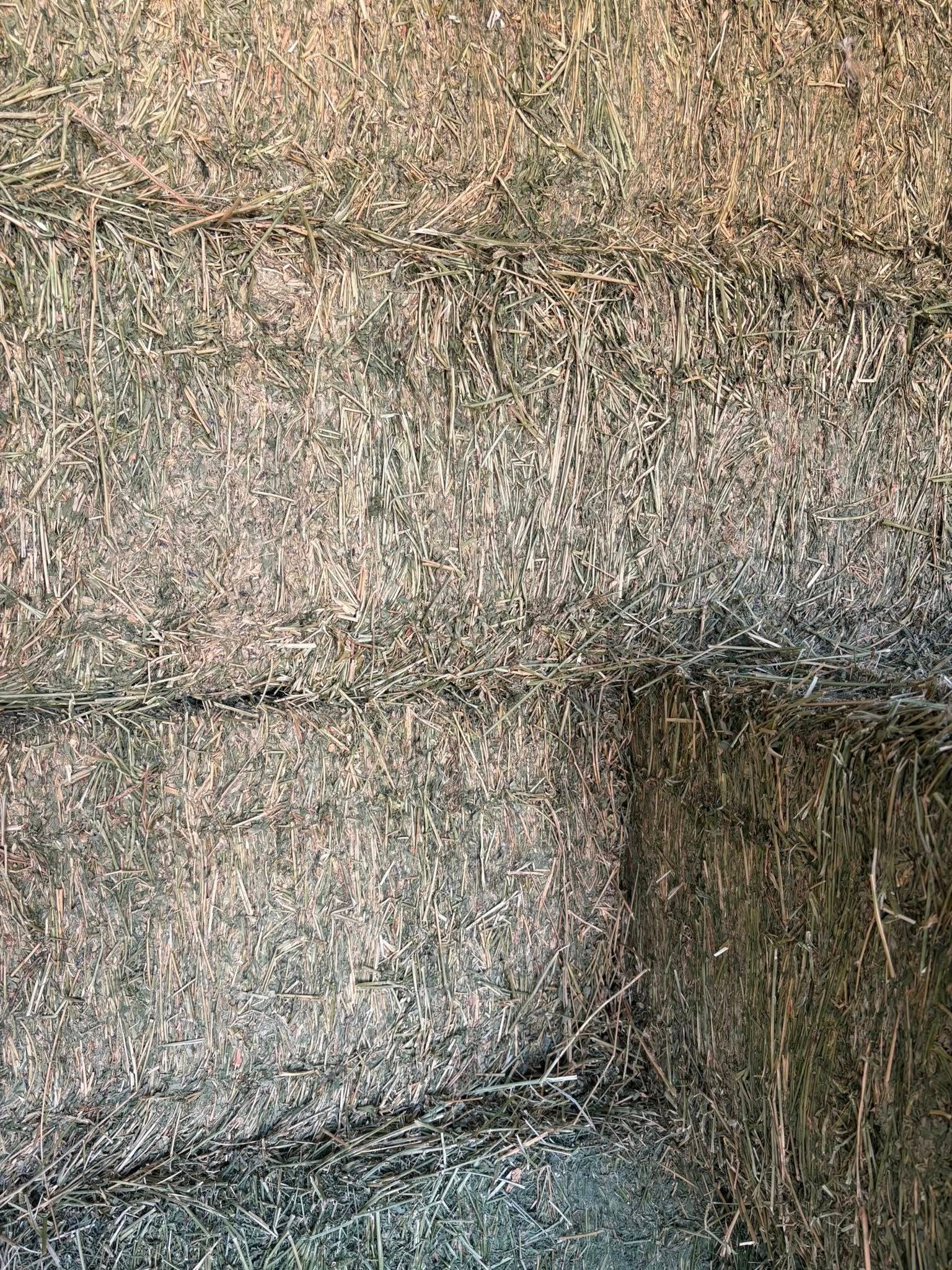
Pasture quality in East Texas declines sharply during summer drought and winter dormancy, creating nutritional gaps that hay supplementation must fill to maintain body condition, milk production, and growth rates in cattle, horses, and goats. Elder Feed and Supply, LLC offers alfalfa hay, coastal bermuda hay, and hay rolls sourced from trusted suppliers and grown in-house to meet demand year-round. Alfalfa delivers higher protein and calcium content than grass hays, making it suitable for lactating animals, growing stock, and horses in moderate to heavy work, while coastal bermuda provides the lower protein, higher fiber forage that maintains mature animals and supports digestive health.
Hay quality varies based on cutting timing, curing conditions, and storage, with first-cutting hay typically containing more stemmy material and lower protein than second or third cuttings harvested before full maturity. You need to match hay type to your livestock's nutritional requirements—overfeeding high-protein alfalfa to idle horses or dry cows wastes money and can cause metabolic issues, while feeding low-quality grass hay to lactating does or performance horses creates deficiencies that show up in poor milk production, weight loss, and reduced performance.
Stop by to check current hay stock and discuss which forage type fits your herd's needs.
What Proper Hay Selection Prevents Long-Term
Feeding hay that matches livestock class and production level prevents the body condition loss, poor reproductive performance, and health issues that result from inadequate nutrition during periods when pasture doesn't meet energy and protein requirements. Coastal bermuda hay works for maintenance rations and provides the fiber needed for healthy rumen function in cattle and goats, while alfalfa's higher nutrient density supports the increased demands of lactation, growth, and gestation without requiring large volume intake.
Once you establish a consistent hay feeding program matched to seasonal forage availability, you'll maintain stable body condition scores across your herd rather than seeing weight loss during summer and winter that requires costly regaining afterward. Horses stay in working condition without the energy spikes and digestive upset that come from inconsistent forage quality, and cattle maintain reproductive efficiency with conception rates and calf weaning weights that reflect adequate year-round nutrition.
Bulk availability matters for larger operations that go through multiple tons per month—purchasing hay rolls or large square bales reduces per-pound cost and minimizes the labor involved in frequent small-bale feeding. Elder Feed and Supply can accommodate both small-scale horse owners needing a few bales per week and cattle operations requiring trailer loads delivered as inventory turns over and fresh hay becomes available.
What Property Owners Usually Ask
Selecting and storing hay correctly ensures your livestock receive the nutrition they need without waste, spoilage, or health complications from poor-quality forage.
What makes alfalfa hay different from coastal bermuda in nutritional value?
Alfalfa hay contains 15-20% protein and significantly higher calcium compared to coastal bermuda's 8-12% protein and lower mineral content, making alfalfa more appropriate for high-demand animals like lactating dairy cows, growing horses, and does nursing kids, while bermuda suits maintenance and lower-production livestock.
How do I evaluate hay quality before purchasing?
Check for green color rather than brown or yellow, smell for fresh grass aroma instead of musty or moldy odors, feel for appropriate moisture content that's dry but not brittle, and look for fine stems and high leaf-to-stem ratio that indicate earlier cutting and better nutrient retention.
When should I start feeding hay to supplement pasture in Tyler?
Most livestock operations in East Texas begin hay feeding during summer drought when pasture growth slows and again in late fall when frost kills warm-season grasses, with the exact timing depending on stocking rate, pasture condition, and rainfall patterns that vary year to year.
What storage method keeps hay from spoiling in East Texas humidity?
Hay stored under roof with adequate airflow and off the ground stays dry and maintains quality, while hay left exposed to rain and ground moisture develops mold, loses nutrient value, and can become dangerous to feed due to mycotoxin development or spontaneous combustion from internal heating.
How much hay does a horse or cow consume per day?
A mature horse typically consumes 1.5-2% of body weight in forage daily, equaling 15-20 pounds for a 1,000-pound horse, while a cow eats approximately 2-2.5% of body weight, or 25-30 pounds for a 1,200-pound animal, with consumption increasing during lactation and cold weather.
Elder Feed and Supply, LLC maintains hay inventory to meet local demand and can help you determine how much hay your operation requires based on herd size and expected feeding duration. Visit the Tyler location to inspect current hay quality and arrange purchase or delivery for larger quantities.