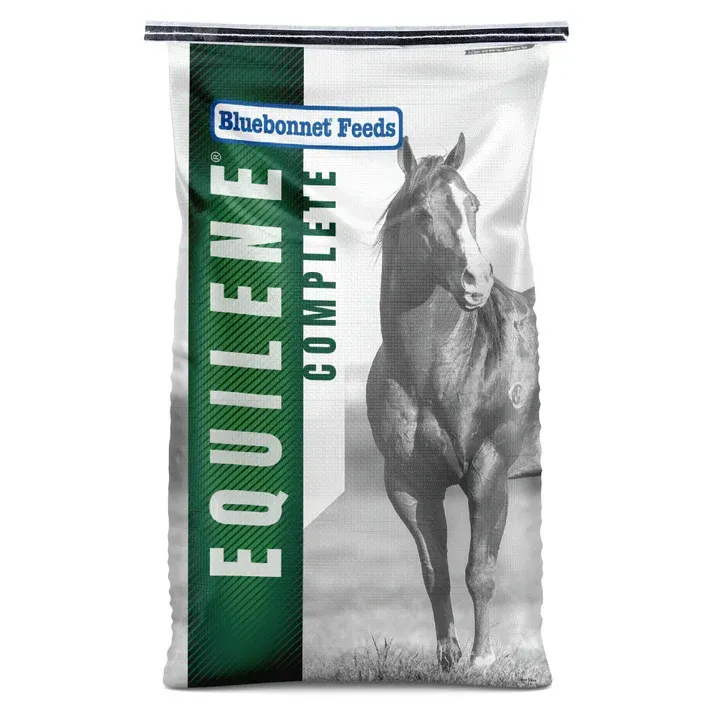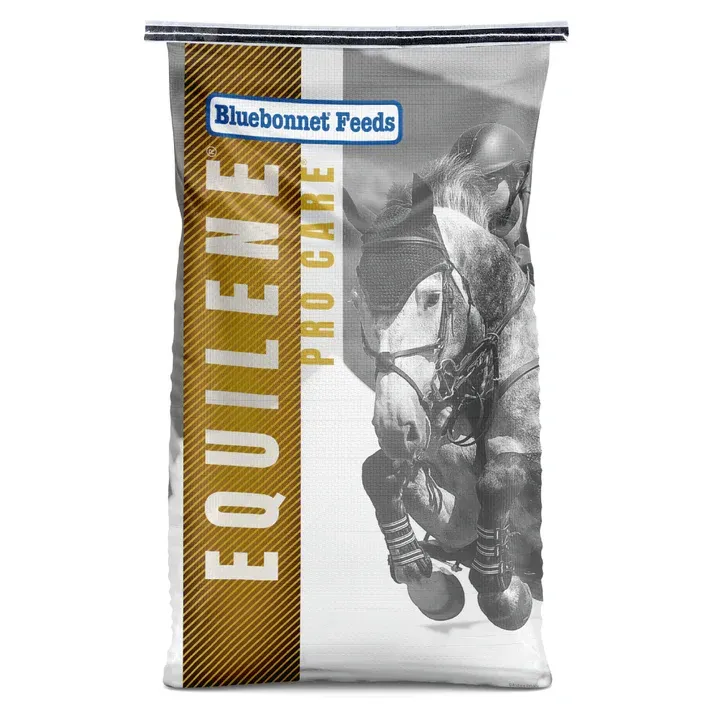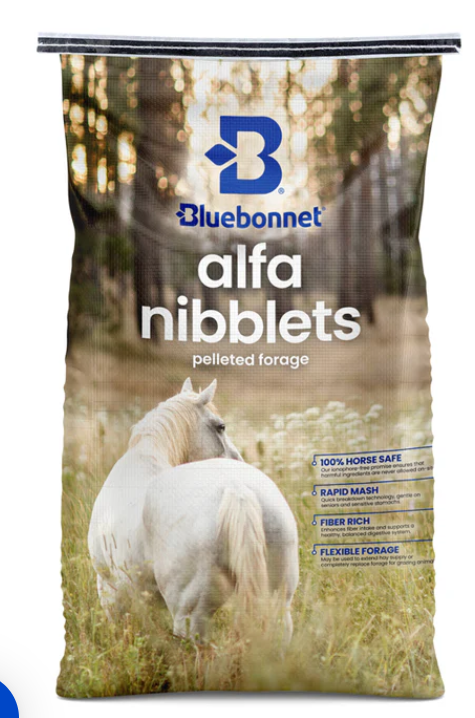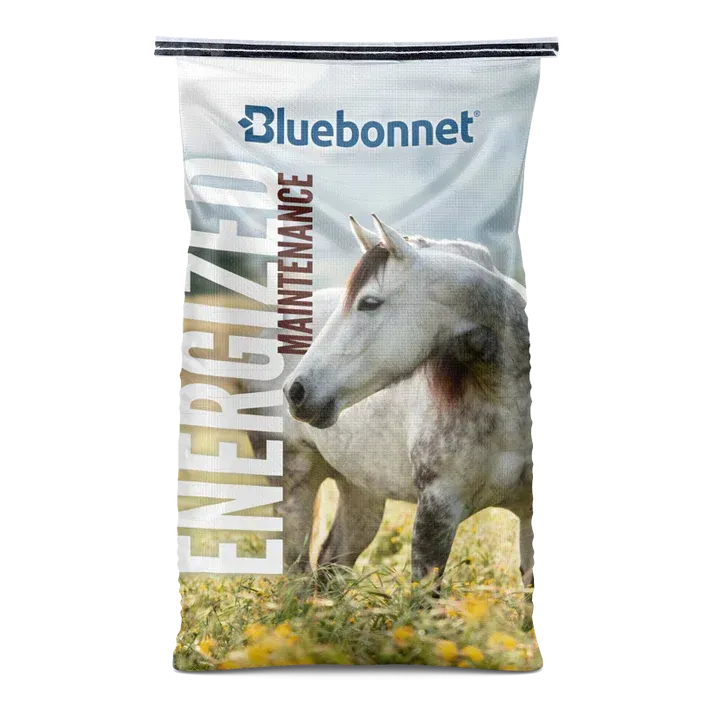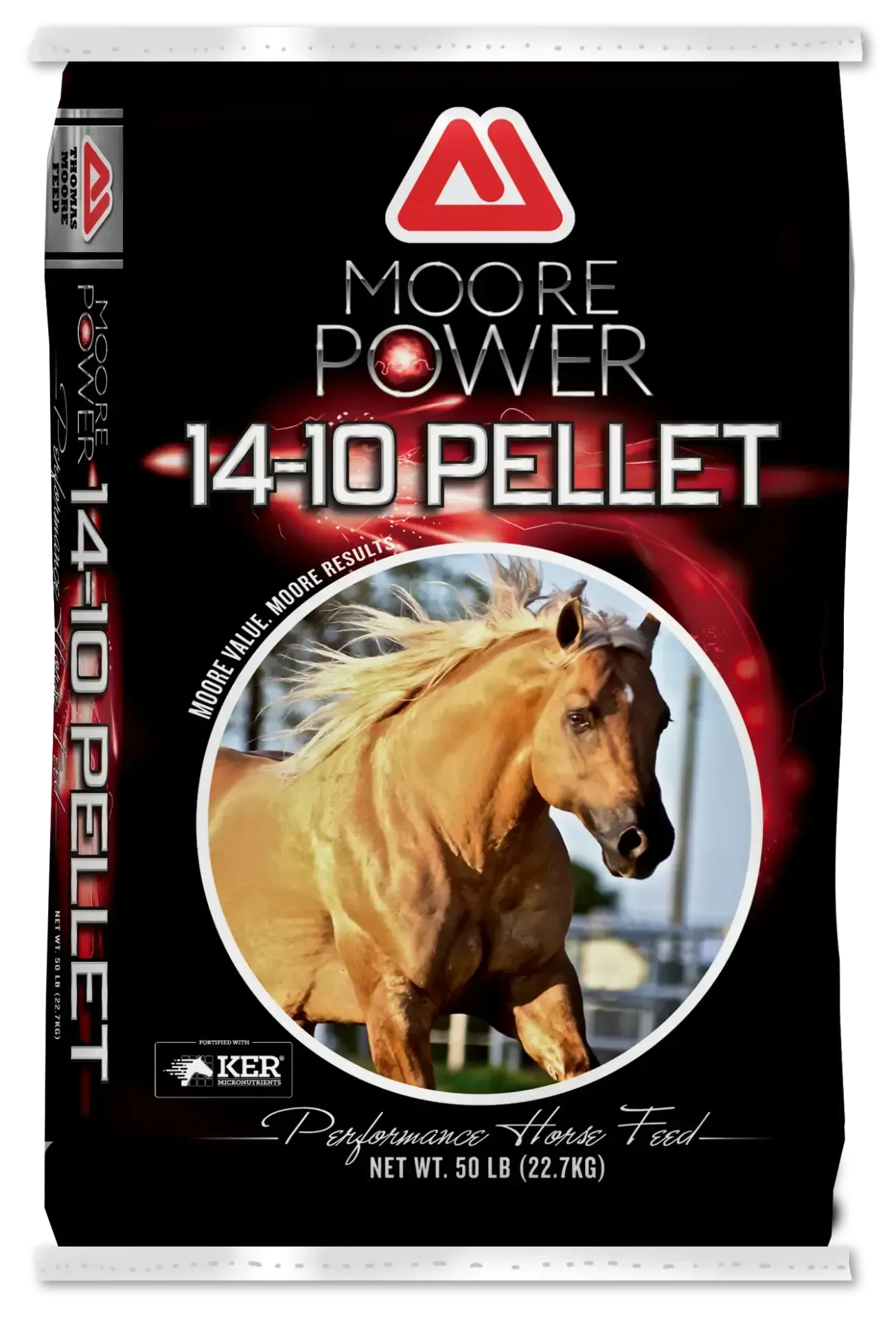
Equine Feed
Feed That Supports Real Horse Work
Equine Feed in Overton for performance horses, senior animals, and routine maintenance feeding programs
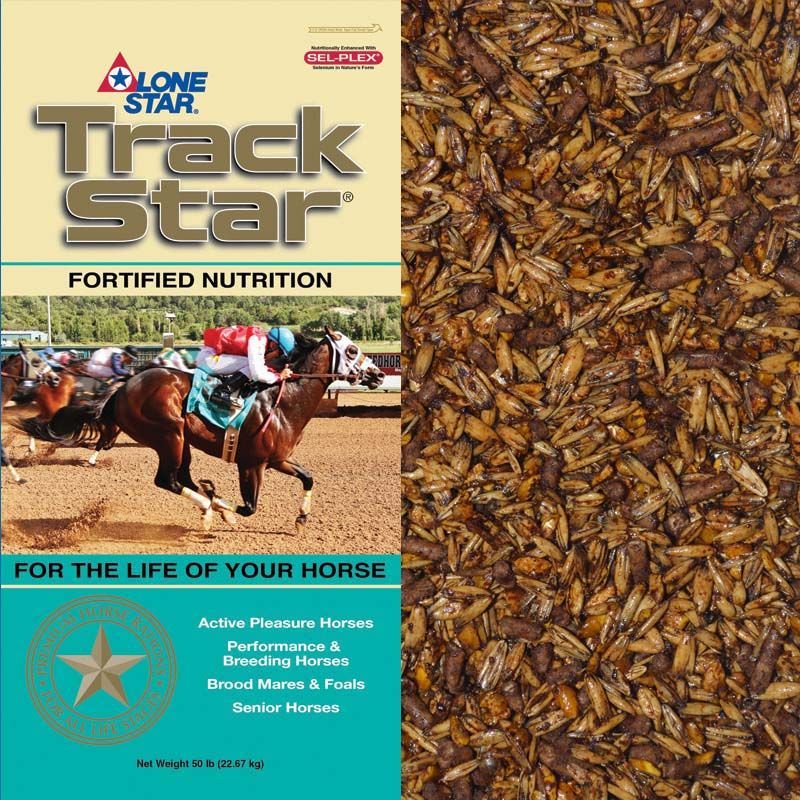
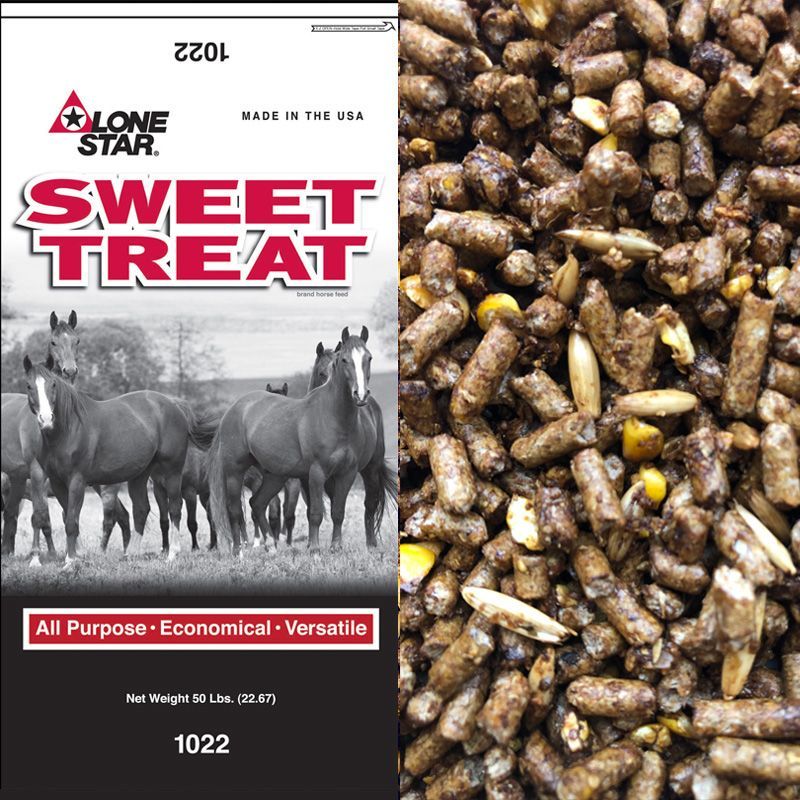
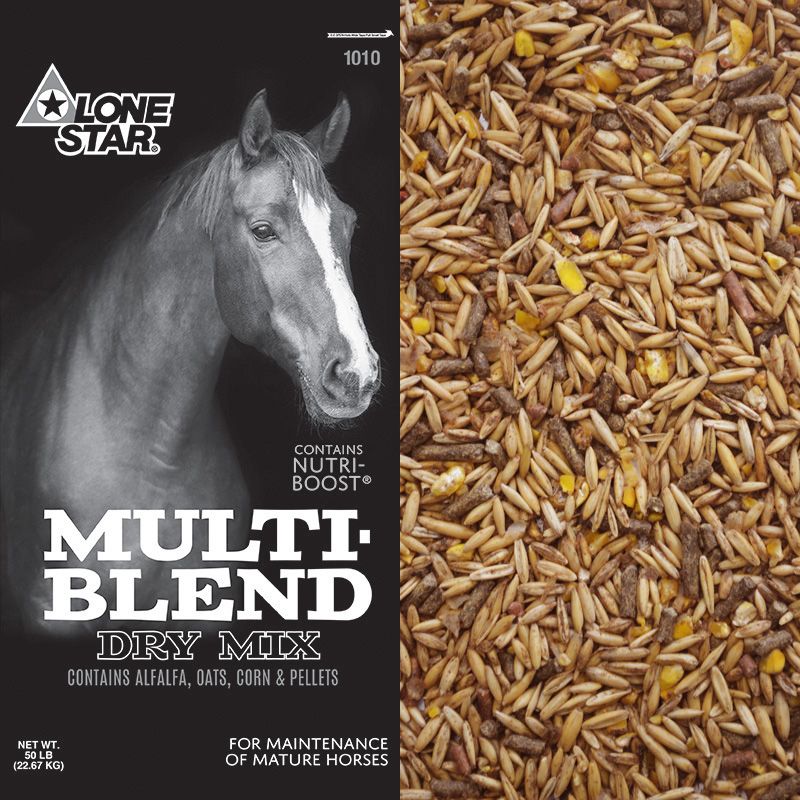
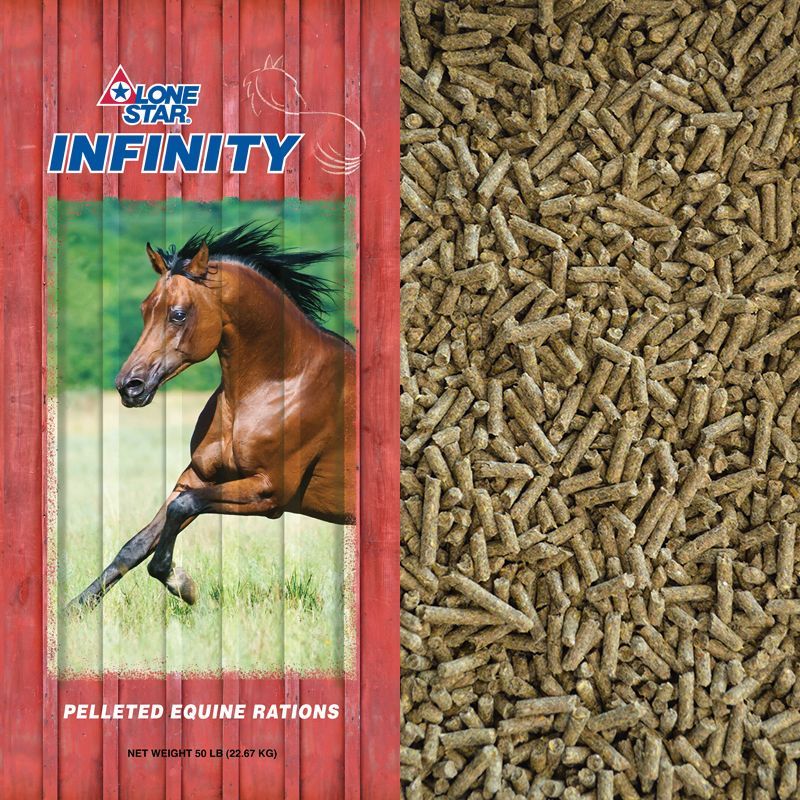
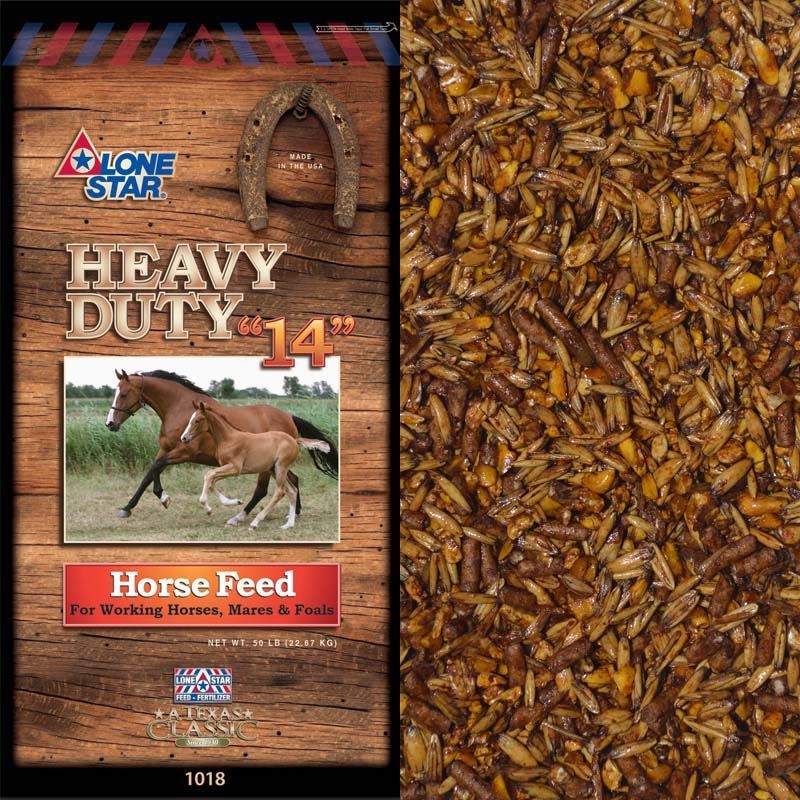
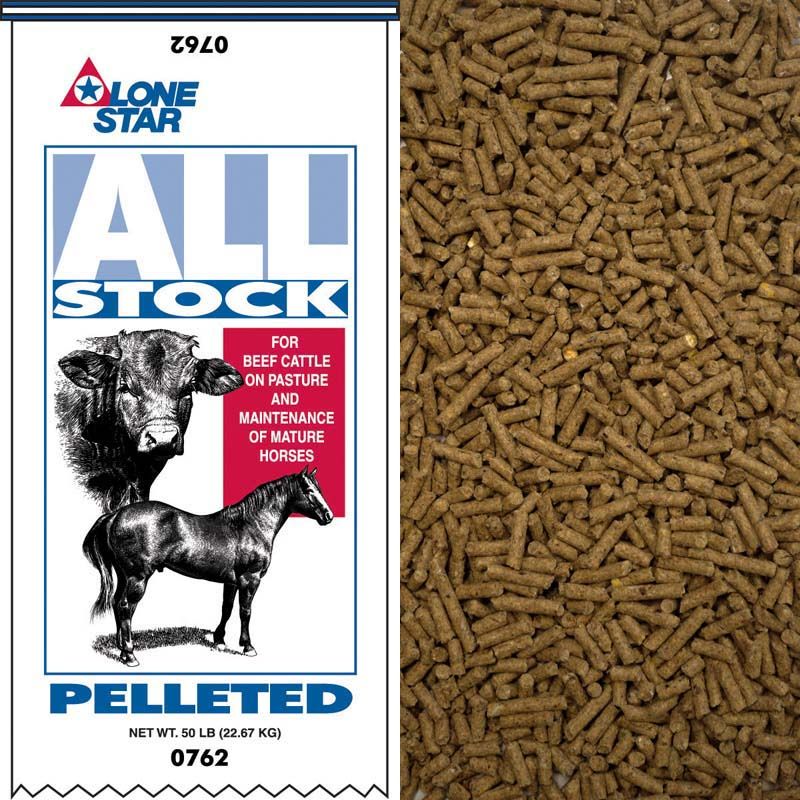
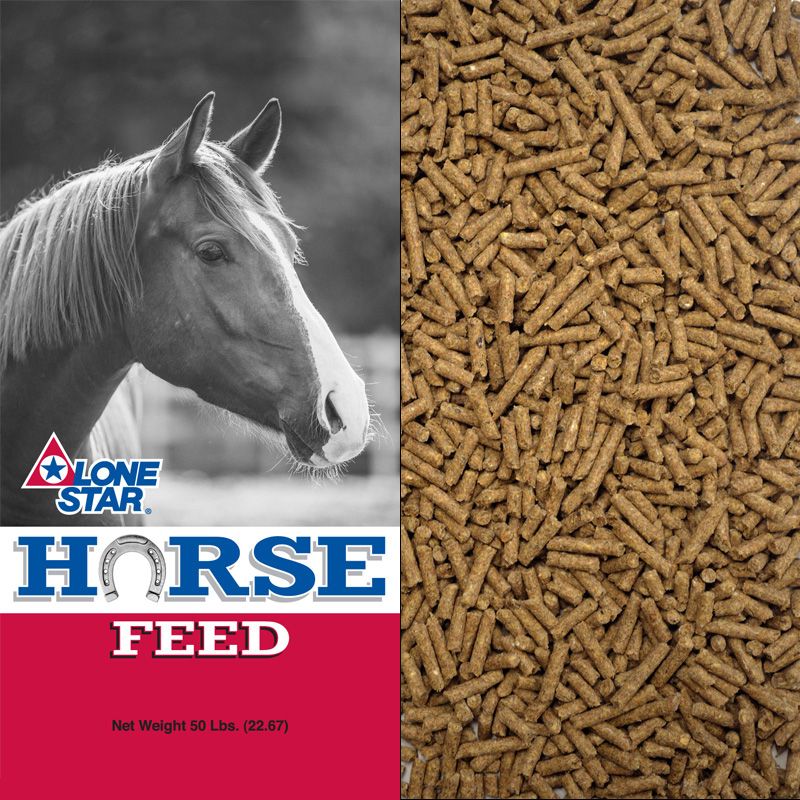
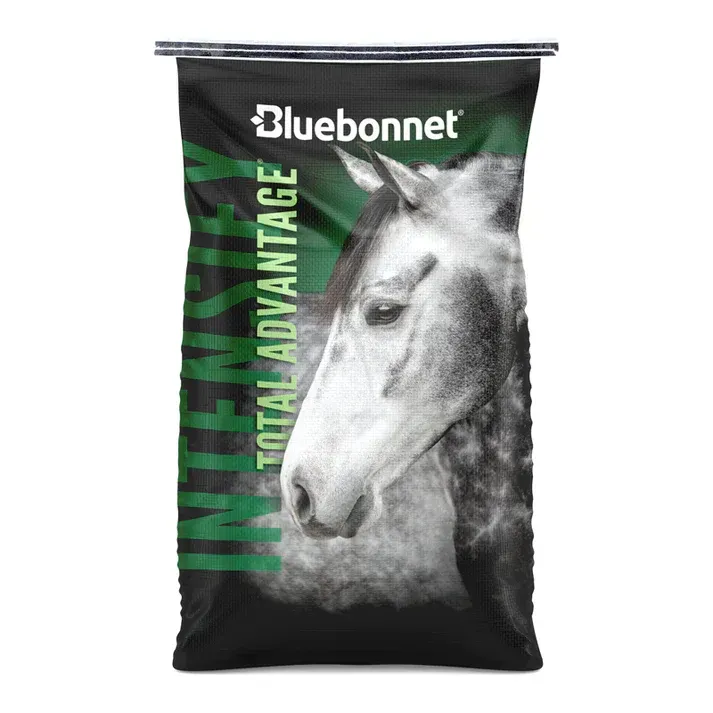
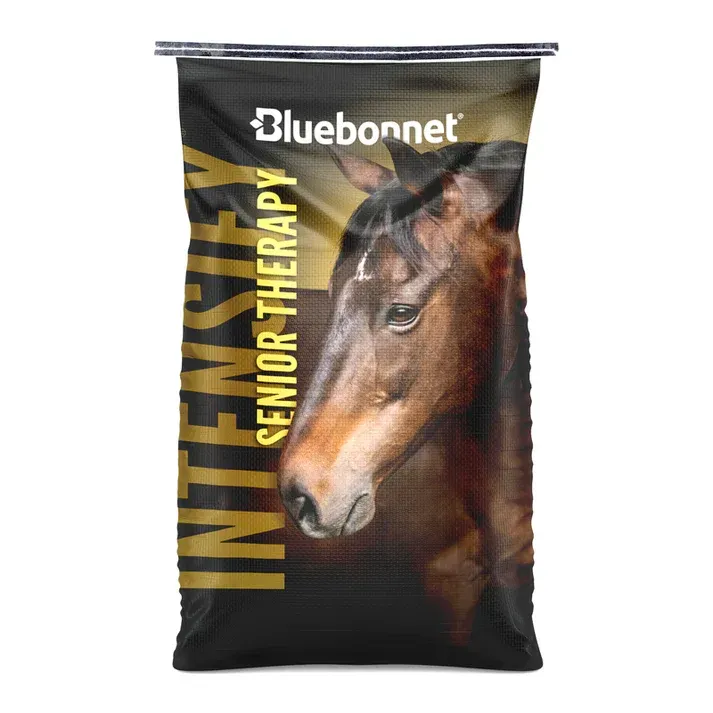
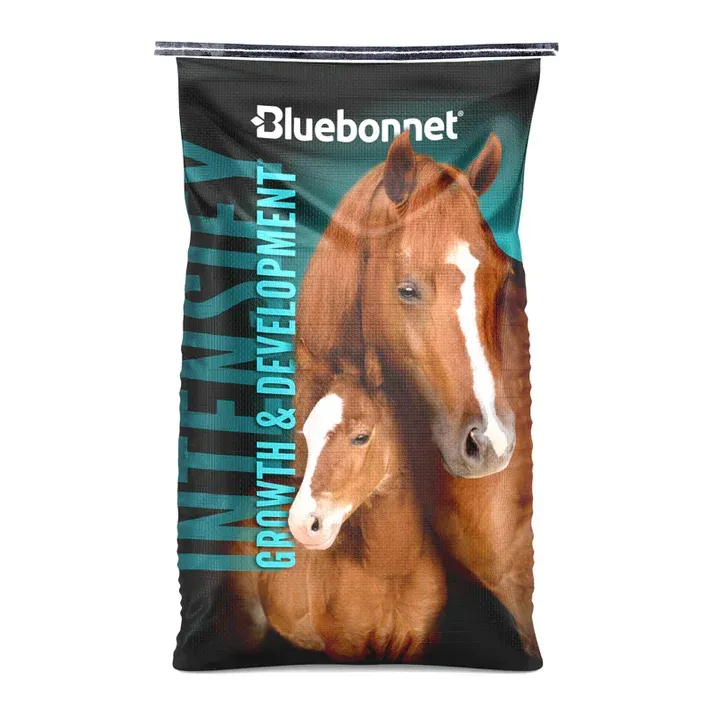
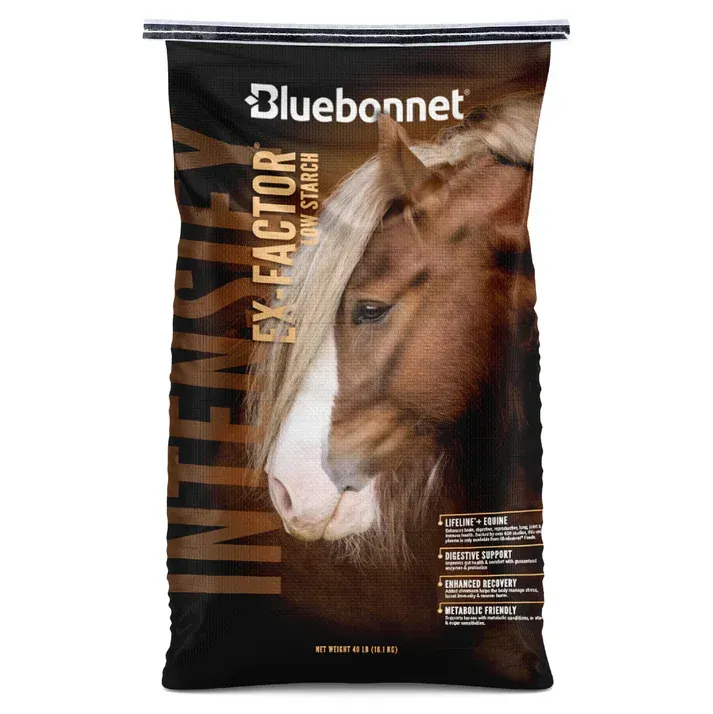
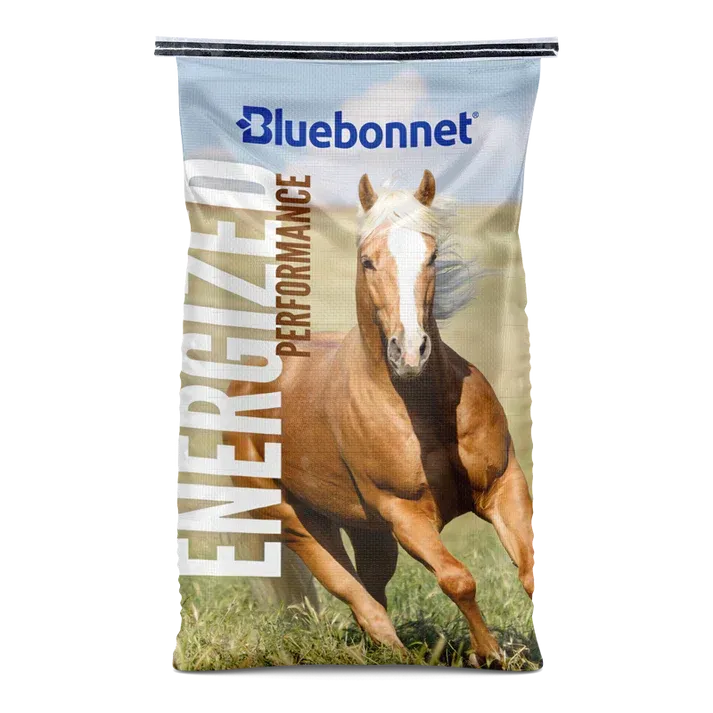
Horses working regularly in East Texas heat require different nutritional support than pasture-kept retirees, and matching feed to workload prevents weight loss during competition season or unnecessary grain overload during light months. Elder Feed and Supply, LLC carries Lone Star, Bluebonnet, and Thomas Moore equine feeds including pellets, textured feeds, and specialty formulas such as high fat pellets, sweet feeds, and complete nutrition blends designed for various activity levels and age groups. You'll find options for barrel racers in training, senior horses with dental limitations, and backyard horses maintained on forage-based programs with minimal grain supplementation.
The inventory includes performance feeds with elevated fat and protein for horses in heavy work, senior formulas with softer textures for animals that can no longer chew whole grains efficiently, and maintenance blends for horses getting light riding or turnout time. Consistent supply matters when you're managing a barn feeding schedule, and having access to multiple brands means you aren't forced to switch formulas unexpectedly if one product runs low.
Visit in-store to discuss bulk purchasing options and get guidance on matching feed type to your horse's current work level and body condition.
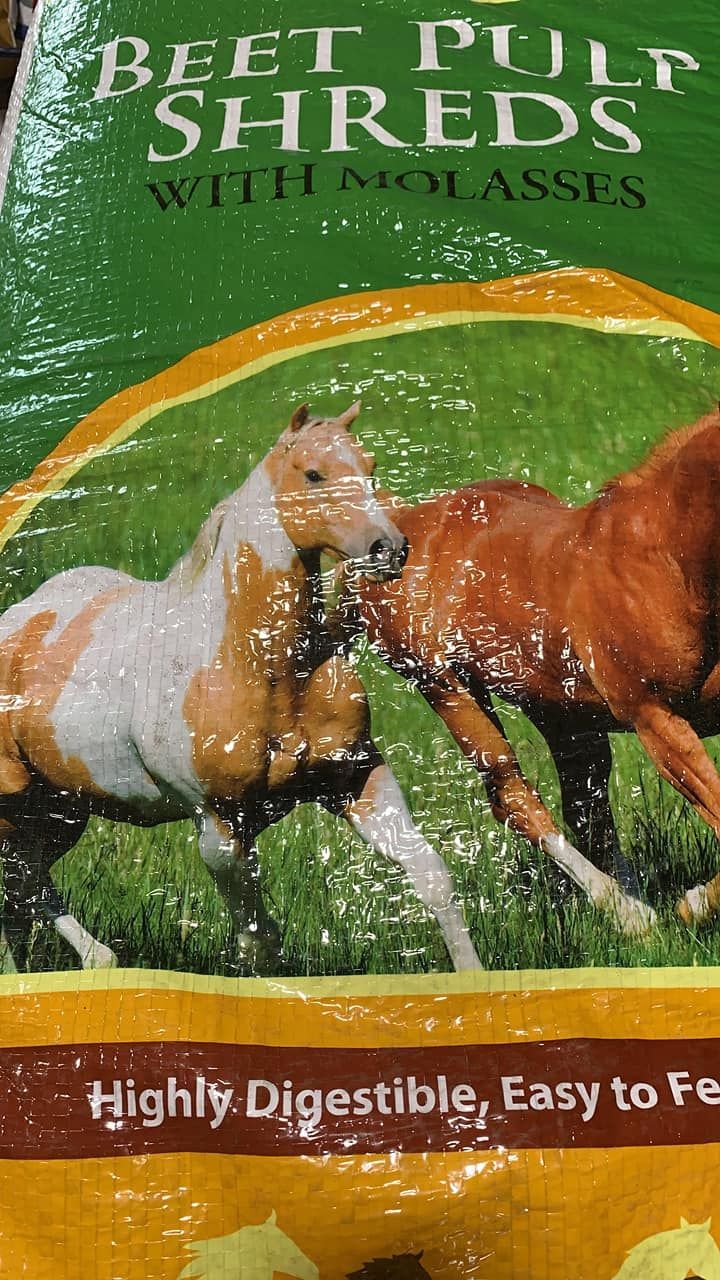
What Happens After You Match Feed to Work Level
Feeding horses properly means adjusting grain type and volume based on how many days per week they're working, the intensity of that work, and whether they're maintaining weight on current rations. A horse in regular training losing topline muscle needs higher calorie density, often delivered through fat-enhanced pellets that increase energy intake without requiring larger grain meals that can cause digestive upset. Senior horses struggling with whole grains benefit from complete pelleted feeds that provide all necessary nutrition in an easily chewed form, reducing waste and improving nutrient absorption.
Once feed aligns with workload and age, you'll notice improved body condition, better coat quality, and more consistent energy during riding sessions. Performance horses maintain muscle tone and stamina through competition season without losing weight, while seniors hold condition and show interest in meals instead of leaving feed behind. Elder Feed and Supply, LLC supports the Overton equine community with products suited to both recreational riders and those managing regular training schedules.
Bulk orders accommodate barn managers feeding multiple horses, and staff familiarity with common formulas helps identify which products work for specific needs. The selection includes both small-batch specialty feeds for horses with unique requirements and high-volume options for operations feeding consistent rations across multiple animals.
Questions Before Starting Your Project
Feeding decisions affect long-term health, performance, and budget, especially when managing multiple horses or adjusting programs seasonally based on work schedules and pasture availability.
What defines a performance feed versus a maintenance feed?
Performance feeds typically contain 12% to 14% protein and 6% to 10% fat to support horses in regular work, while maintenance feeds range from 10% to 12% protein and 3% to 5% fat for horses getting light exercise or pasture turnout.
How do I know if my horse needs a senior formula?
Horses over 20 years old, or younger horses with dental issues causing them to drop whole grains or lose weight despite normal portions, benefit from senior feeds that are fully pelleted and easier to chew and digest.
When should I increase grain rations during training?
Gradual increases over seven to ten days prevent digestive upset, and you should add grain only when a horse is losing weight or showing reduced stamina despite consistent work, not preemptively before workload actually increases.
What feeding approach works for horses on mixed pasture and grain programs in Overton?
Many East Texas horse owners reduce grain during spring and fall when pasture quality is high, then increase rations during summer heat stress or winter when forage nutrition declines and horses burn more calories maintaining body temperature.
How much feed does a typical 1,000-pound horse in moderate work require daily?
Most horses in regular riding work consume five to seven pounds of grain daily in addition to forage, though exact amounts depend on the feed's calorie density, the horse's metabolism, and pasture availability.
Elder Feed and Supply, LLC keeps a wide range of equine nutrition products in stock to support horses at all stages and work levels. Stop by the Overton store to review available formulas and discuss bulk supply options for your barn or training program.