Grains and Commodities
Foundational Feed Ingredients for Custom Programs
Grains and Commodities in Overton for flexible feeding approaches and bulk ingredient sourcing
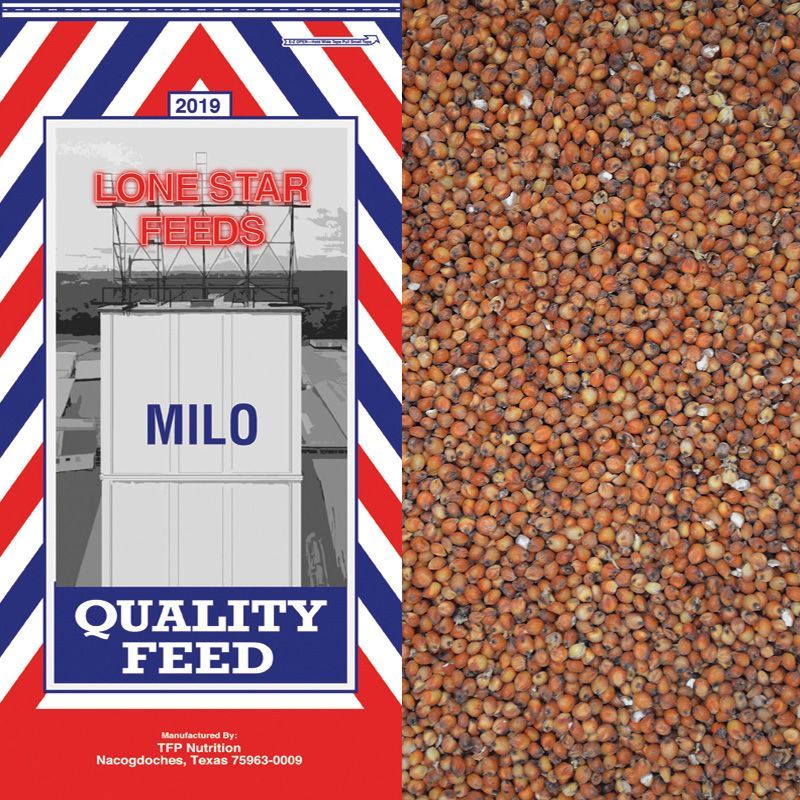
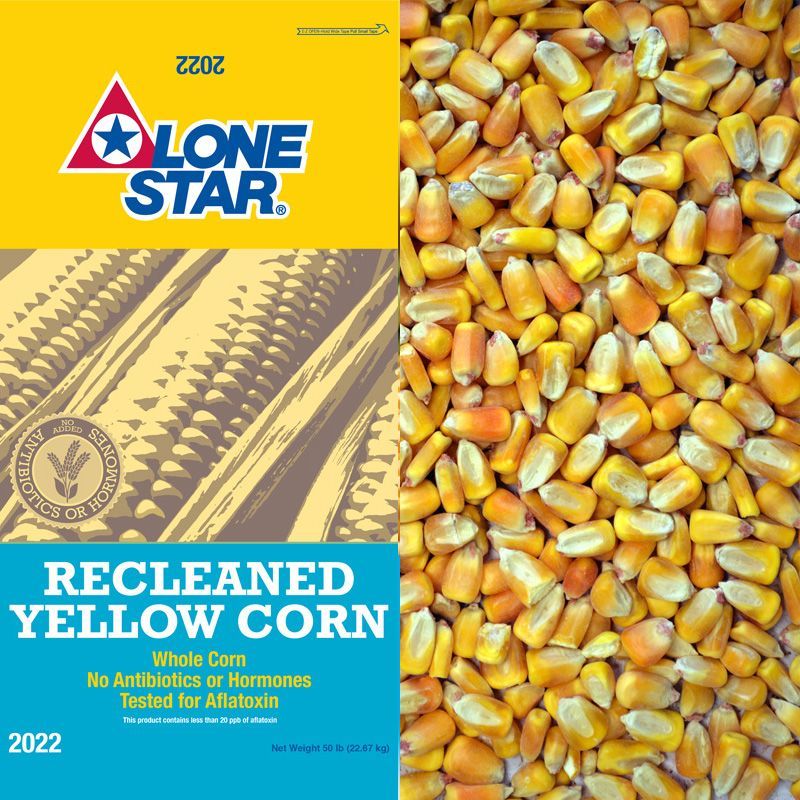
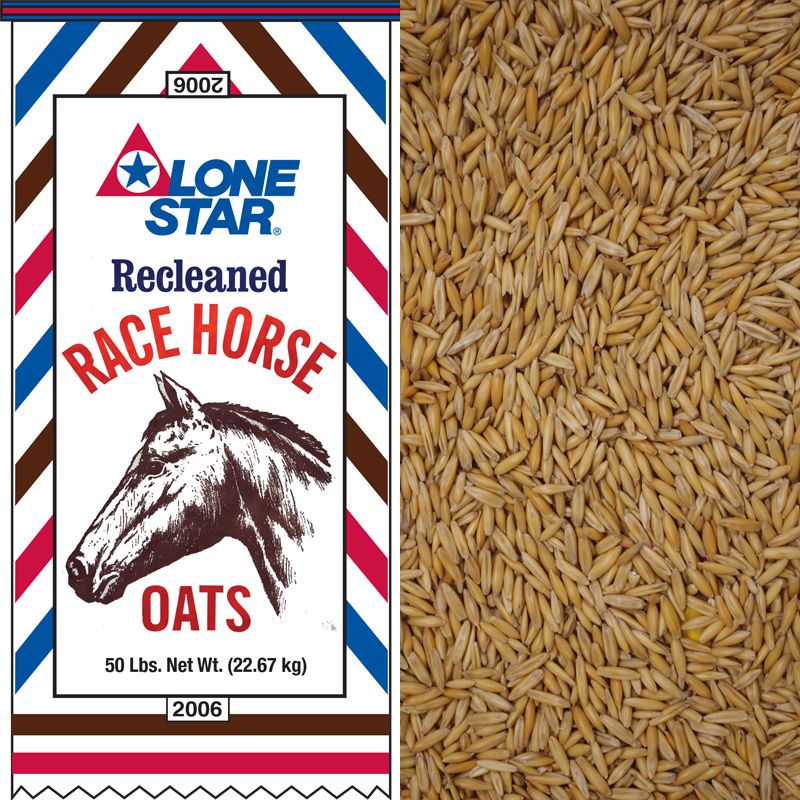
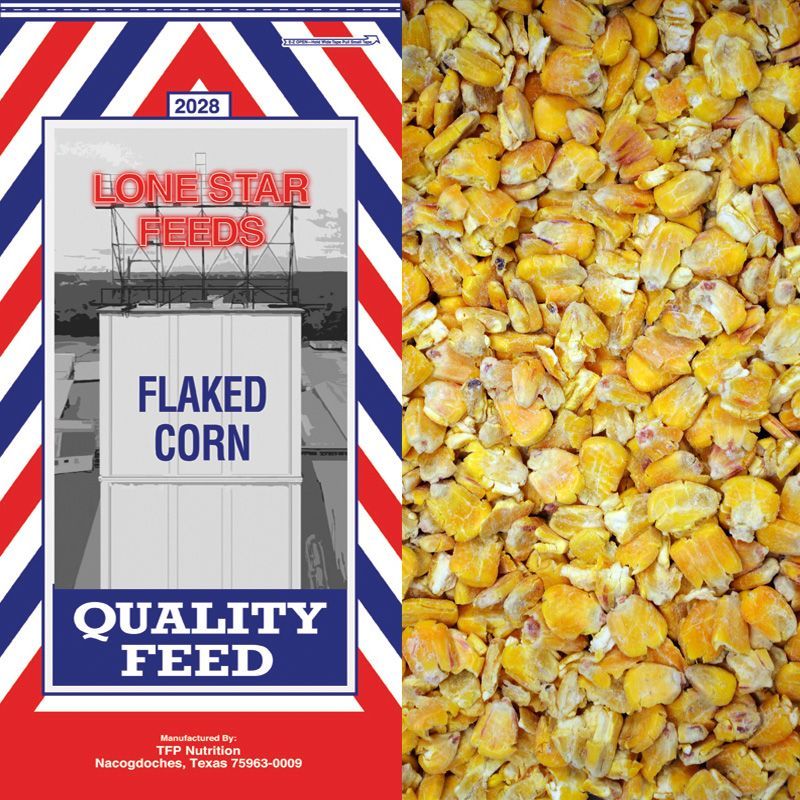
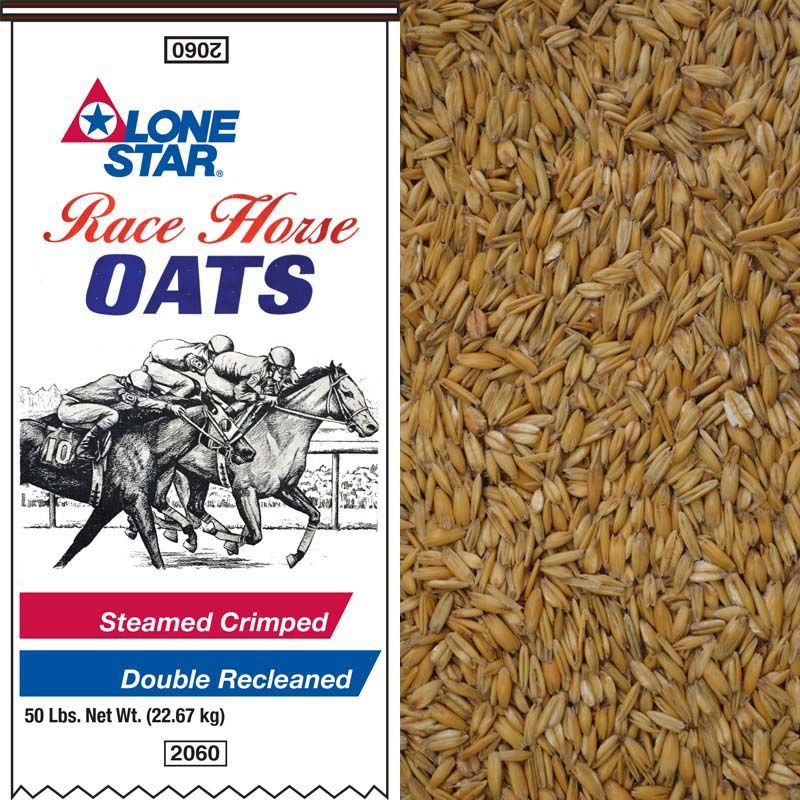
Many livestock operations in Overton run on custom feeding programs that blend individual grains rather than relying solely on commercial complete feeds, whether to reduce costs for large animal numbers, accommodate specific nutritional needs, or utilize feeds that work with existing pasture and hay resources. Elder Feed and Supply, LLC maintains consistent inventory of oats, milo, whole corn, and steam flaked corn for farmers and ranchers who need bulk staple ingredients to build their own rations or supplement complete feeds during high-demand periods. These commodities serve as energy sources, protein carriers, and palatability enhancers depending on how they're used within a feeding program.
Whole corn provides calorie-dense energy that helps livestock maintain body condition during cold weather or periods of high production demand, while steam flaked corn offers improved digestibility through processing that breaks down the kernel structure and increases starch availability. Milo delivers comparable energy to corn at often lower cost, and oats add fiber alongside energy, making them useful for animals that need bulk in their diet or are prone to digestive upset from high-grain rations.
Stop by to discuss volume pricing and delivery options for ongoing bulk orders.
Why Bulk Ingredients Support Custom Feeding
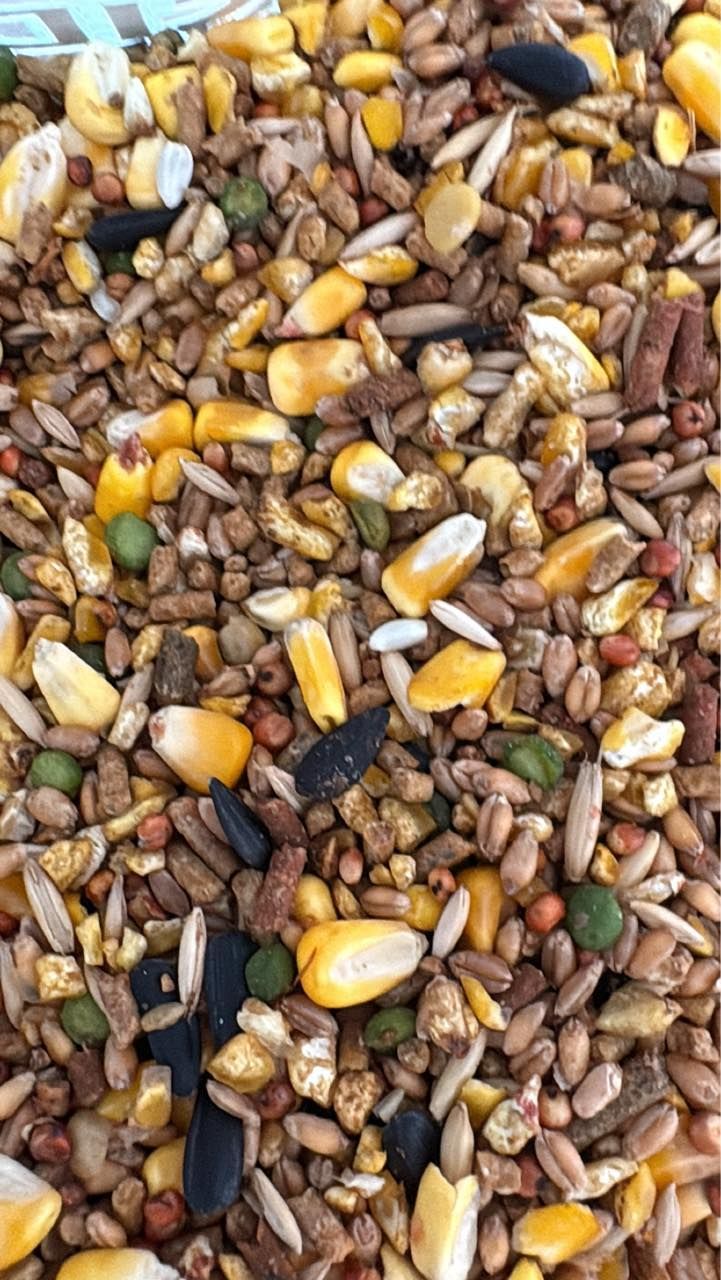
Purchasing grains separately allows you to adjust ration composition based on seasonal forage availability, current livestock conditions, and ingredient pricing that fluctuates with commodity markets. Steam flaked corn costs more than whole corn due to processing but improves feed conversion efficiency in cattle by making starch more accessible during digestion, which matters when you're trying to maximize gain from each pound of feed.
Operations using custom grain mixes typically combine these energy sources with protein supplements like cottonseed meal or soybean meal to create complete rations tailored to specific animal classes, whether that's backgrounding calves, finishing hogs, or maintaining working horses through winter. Elder Feed and Supply keeps regular stock so repeat customers can maintain consistent feeding programs without reformulating rations every time they need to reorder.
Grain storage requires dry, ventilated space where moisture can't accumulate and create conditions for mold growth, and whole grains store longer than processed products since grinding or flaking exposes more surface area to air and humidity. Buying in bulk reduces per-pound costs but only makes economic sense if you can use the volume before quality degradation occurs, typically within a few months in East Texas climate conditions.
What Customers Ask About Bulk Grains
Livestock producers managing custom feeding programs often have practical questions about ingredient selection and storage when building their own rations.
What situations favor whole corn over steam flaked corn?
Whole corn works well for animals with functional digestive systems that can break down intact kernels, like cattle on pasture or horses receiving moderate grain portions, while steam flaked corn benefits feedlot cattle or animals needing maximum nutrient extraction from limited feed intake.
How does milo compare to corn nutritionally?
Milo provides slightly less energy per pound than corn due to higher fiber content but costs less in most markets, making it an economical substitute when ration costs need to stay controlled without sacrificing animal performance.
When should oats be included in livestock rations?
Add oats when animals need additional fiber bulk to slow grain consumption and reduce digestive upset risk, or when introducing young animals to grain feeding for the first time since oats are less likely to cause sudden fermentation issues.
What volume qualifies for bulk pricing in Overton?
Elder Feed and Supply offers volume pricing on orders large enough to justify handling and delivery logistics, with specific thresholds depending on current inventory levels and seasonal demand from area farms.
Why do grain prices fluctuate throughout the year?
Commodity prices respond to harvest timing, regional weather patterns affecting crop yields, and broader market forces that influence supply and demand across agricultural sectors nationwide.
Elder Feed and Supply, LLC maintains inventory of staple grain commodities for livestock operations throughout the Overton area. Call (903) 630-4000 to confirm current availability and discuss bulk order arrangements for your feeding program.