
Farrier Supplies
Hoof Care Tools Built for Professional Standards
Farrier Supplies in Tyler for horse owners and hoof care professionals maintaining soundness and performance
Hoof care directly affects a horse's movement, comfort, and long-term soundness, and the quality of shoes, nails, pads, and rasps determines how well a trim or shoeing job holds up under work and varying footing conditions. Elder Feed and Supply, LLC stocks St Croix, Kerckhaert, and Duramax horseshoes along with nails, pads, and rasps from brands trusted by farriers and horse owners in Tyler. St Croix shoes offer pre-shaped options that reduce forging time and provide consistent fit, Kerckhaert shoes include specialty patterns for therapeutic and performance applications, and Duramax horseshoes deliver durability for horses in heavy work or abrasive conditions that wear through standard shoes quickly.
Nails must match shoe thickness and hoof wall quality—too large and they split the wall, too small and they pull loose under load. Pads provide protection for thin soles, bruised feet, or horses working on rocky or hard ground, and they allow therapeutic shoeing that accommodates injuries or chronic hoof issues. Rasps wear down with use and must be replaced regularly to maintain the sharp cutting surface needed for efficient hoof shaping and smooth finishing that prevents chipping and cracking.
Stop by to review current stock and confirm availability of the specific sizes and styles your horses require.
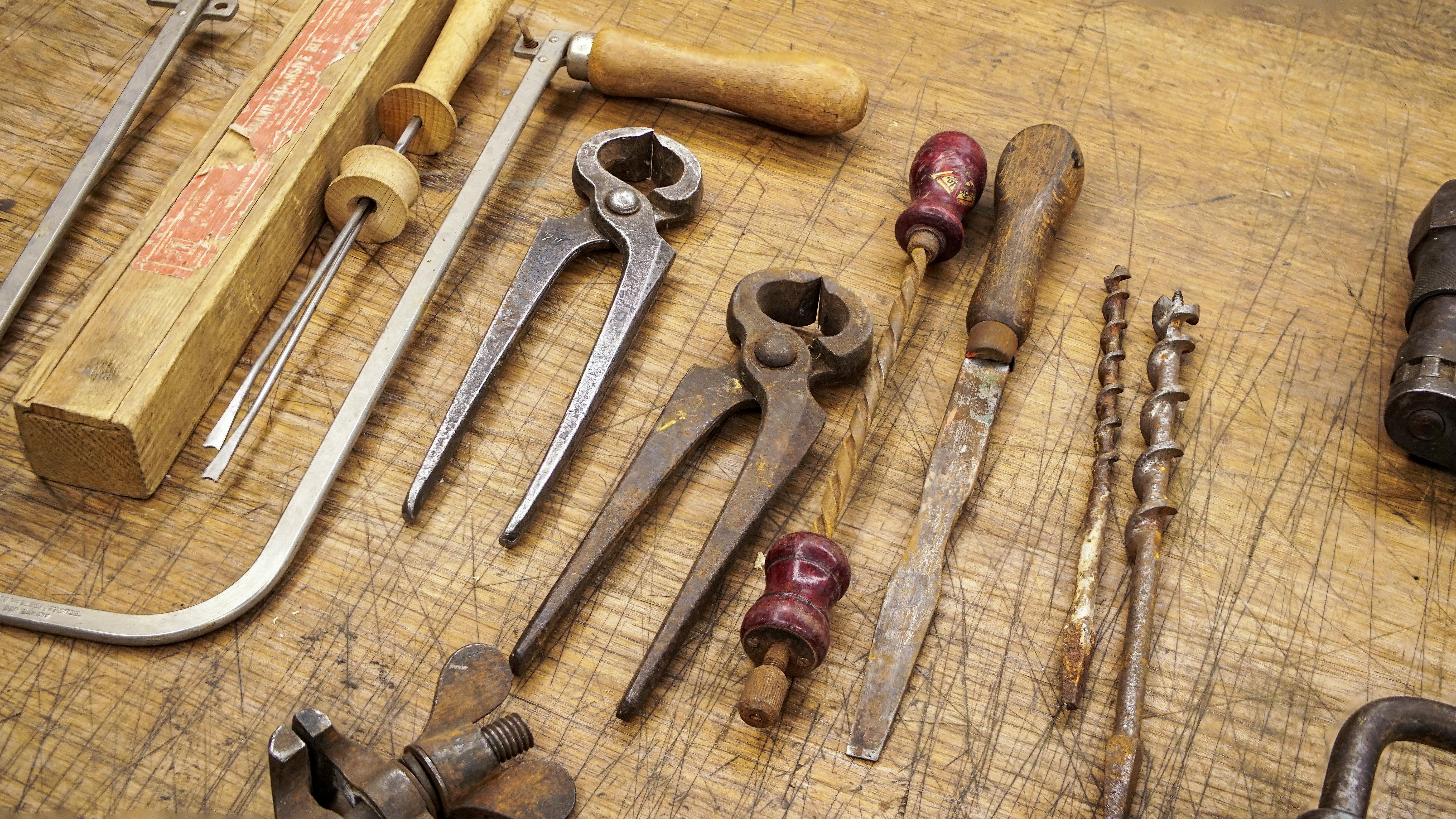
What Quality Farrier Tools Accomplish
Professional-grade farrier supplies allow precise hoof trimming and shoeing that balances the foot, supports proper biomechanics, and prevents the lameness issues that develop from uneven wear, poor angles, or inadequate hoof protection. Using the correct shoe type and size for each horse's conformation, workload, and hoof condition produces a trim cycle that holds up for the full six to eight weeks between shoeings without excessive wear, lost shoes, or hoof damage.
Once a horse is trimmed and shod correctly with appropriate shoes and nails, you'll notice improved movement quality, reduced stumbling or interference, and better performance whether the horse is used for ranch work, competition, or pleasure riding. Horses working on varied terrain benefit from shoes that provide traction and protection, while those with thin soles or sensitivity stay comfortable when pads distribute pressure and shield the sole from rocks and hard ground.
Farriers working multiple horses per day need sharp rasps and adequate nail inventory to maintain efficiency and quality without interruptions for resupply. Horse owners doing their own basic hoof maintenance require the same quality tools to achieve safe, effective trims that keep hooves healthy between professional farrier visits, particularly in wet conditions that accelerate hoof growth and require more frequent attention.
Questions Before Starting Your Project
Selecting the right hoof care products ensures horses stay sound and comfortable while farriers and horse owners work efficiently without tool or material failures.
What determines which horseshoe brand and style to use?
Shoe selection depends on hoof shape, horse discipline, footing conditions, and any therapeutic needs, with St Croix offering versatile patterns for general use, Kerckhaert providing specialized options for corrective work and performance disciplines, and Duramax delivering heavy-duty construction for horses in demanding work or abrasive environments.
How often should farrier rasps be replaced?
Rasps lose cutting efficiency after 8-12 horses depending on hoof hardness and rasp quality, with dull rasps requiring more effort, producing rougher finishes, and increasing the risk of hand fatigue and repetitive stress injuries that affect farriers working full schedules.
When do horses need pads in addition to shoes?
Pads are used when horses have thin soles that bruise easily, chronic heel pain or navicular issues, or when working on rocky terrain that causes soreness despite shoes, with pads providing cushioning and sole protection that allows horses to move comfortably in conditions that would otherwise cause lameness.
What nail size matches different horseshoe types and hoof walls?
Nail size must match shoe thickness and hoof wall strength, with lighter shoes and thinner walls requiring smaller nails like City Head 4 or 4.5, while heavier shoes and thicker walls accommodate larger nails like 5 or 6 that provide stronger hold without splitting the hoof wall.
How does East Texas climate affect hoof care and shoeing cycles?
High humidity and wet conditions in Tyler cause faster hoof growth and softer hoof walls that may require shorter shoeing cycles or adjustments to nail size and shoe fit, while summer heat and dry periods can harden hooves and create cracking that benefits from regular moisturizing and proper trimming angles.
Elder Feed and Supply, LLC supports the local equine community by keeping farrier supplies in stock for both professionals and horse owners managing their own hoof care. Visit the Tyler store to confirm product availability and discuss which tools and materials best suit your specific hoof care needs.